Does Jesus ever get really angry? Yes. Remember the famous time when he flips over all the market tables at the temple. And then there’s the time when Jesus’s disciples decide that He is too busy and important to bless little kids, so they block a group of kids from getting to Him. Jesus gets angry, “Let the kids come! This is who the Kingdom of God belongs to.”
And then there’s a certain Sabbath morning. The mandatory day of rest. I can imagine what it might have been like.
Jesus walks into a crowded synagogue and spots a disabled man with a withered hand.
Jesus calls the man to him and then he turns to the religious leaders. “So what’s the law for this situation? Should I do good on the Sabbath, or harm on the Sabbath?” The religious leaders grit their teeth and say nothing. Jesus looks closely at them and fills with anger and grief at the hardness of their hearts.
Then Jesus looks back at the disabled man and fills with tender compassion, “Stretch out your hand.” The man stretches his hand out – straight.
Did Jesus ever get really angry? Yes. These times and more.

What is anger?
Anger is an emotional state that comes in mild forms like irritation/ frustration and it comes in intense forms like rage/wrath. Like all our emotions, anger is not something that’s just in our head, our whole body gets involved. We all know that feeling of anger when our heart rate goes up, our blood pressure goes up, and hormones like adrenaline rush in. Our body is well designed to rapidly equip us with hormones and physical changes that will help us act on our emotions.
Anger can be a positive and useful emotion, if it is expressed appropriately. But it is a bit like an explosive. Anger must be handled well to be constructive, not just destructive.
Lent 2022 Week 6
- Deadly Sin of the Week: Anger
- Life-giving Virtue: Self-control
Jesus was angry, so why is anger on the Seven Deadly Sins list?
Because most of us are just not as skilled as Jesus was at working with explosives.

There are 3 main ways we work with anger.
The first is Open Aggression. This is when we actively lash out in anger verbally or physically. Somebody gets hurt.
The second is Disguised Aggression. This is when we choose from tactics like silence, sulking, criticizing, and cynical comments. Passive aggression is in this group. Somebody gets hurt here, too. It’s just that the damage is inflicted more quietly. Or it becomes so quiet that we turn inward and attack ourselves.
The Problems
These two ways of dealing with anger are associated with problems for our relationships, our communities, and our bodies.
Living in anger is actually bad for our health. When we are angry our heart and blood pressure work harder. Our sympathetic (action) nervous system gets to work. This system is great for a short project. It turns on all the essential body systems for action, especially physical action. And it turns off unnecessary systems, like for example, our digestive system.
This sympathetic system works great for the short run, but eventually we need to turn off the sympathetic system and get the unnecessary systems, like digestion, back into action or our body will suffer the consequences.
- Some of the health hazards: Anger is strongly associated with coronary heart diseases, type 2 diabetes, bulimia, and road accidents. Anger turned inward is associated with hypertension, high blood pressure, and depression.
The 3rd Way
There is a third way to deal with anger that is not as problematic as open aggression or disguised aggression. This third way is called Assertive Anger.
What assertive anger is not:
- Assertive anger is not suppressing, stuffing, ignoring, saying “it’s all fine”, “it doesn’t matter”, or “I don’t matter”. The situation may or may not matter. That’s yet to be decided. But you matter and so does everyone involved.
With Assertive Anger we take the reins of self-control and act with wisdom. Assertive Anger is about love and respect for everyone involved, yourself included. Listening and empathy are key skills that we use to act out our anger wisely. Clear communication, forgiveness, considering both sides, and confidence are all part of Assertive Anger.
When we are in the heat of anger, our body is flooded with energetic hormones and it’s challenging to take control and act in a wise, positive, assertive way. The good news: these hormones will only be in our system for 90 seconds.
So why do we stay angry for longer than 90 seconds? Because we are choosing to keep telling ourselves the same story, which creates the same emotion, which sends the same dose of hormones.

What can we do to take back self-control and act with assertive wisdom?
Here is one strategy.
- Take a big breath, exhale
- Ask God for wisdom
- Listen
Why take a breath? Deep breathing helps dial down our sympathetic nervous system and its associated hormones.
Why ask for wisdom? As brilliant as we think we are, there is One who is more brilliant, sees more, and can help us deal wisely with the problem at hand.
Why Listen? Because God likes to give us wisdom.
Now if any of you lacks wisdom, let him ask God, who gives to all generously. . . James 1:5a
With our sympathetic system dialed down and a greater wisdom informing us, our odds of responding in a positive, assertive way will increase.
Self-control takes practice. I invite you to join me in practicing this method with emotions other than anger, so that when anger arrives we are ready to respond. This project is a bit like a fire drill. We practice what to do when there is no fire/anger so that when the event comes we are more apt to respond appropriately.

Soul Sculpting Project: Breathe, Invite Wisdom, Listen
Pick a time to practice. Example: When I look at my social media I begin by 30 seconds of Breath, Invite Wisdom, Listen
1. Identify your current emotion
2. Take a deep breath
3. Invite God’s wisdom into your next moments/actions
A mental breath prayer might be:
Inhale: “Holy Spirit”
Exhale: “Fill me with your wisdom.”
4. Listen for wisdom
Paul would have endorsed assertive anger. Paul assumed that we would be angry but he set parameters .
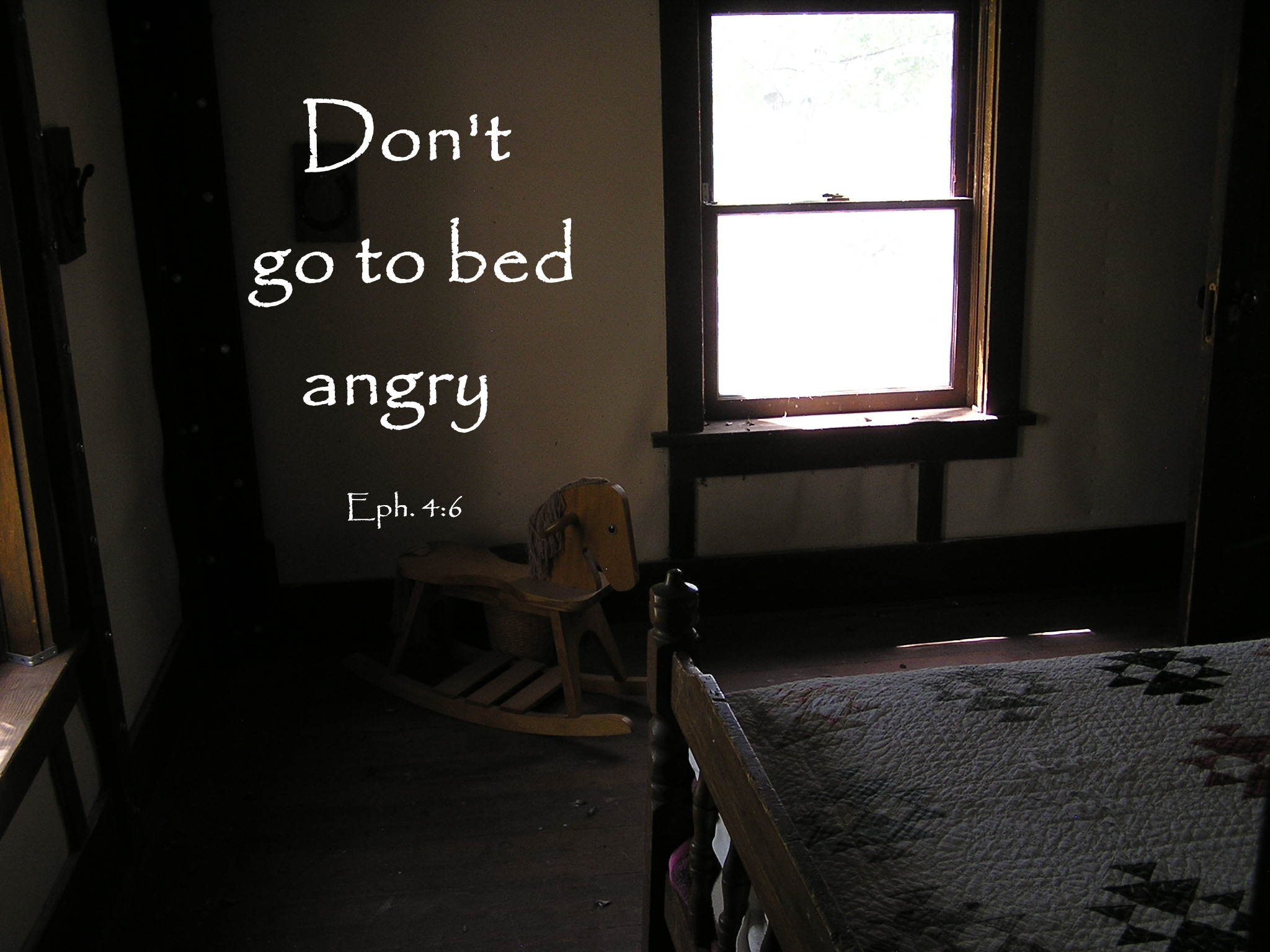
“Be angry, and do not sin, do not let the sun go down on your wrath.” Ephesians 4:26
Paraphrased, this says, “When you choose anger, don’t act out in a way that would be contrary to the heart of God . And don’t stay angry. Get over it and get a good night’s sleep.”
 soulsculpting
I love the line: “most of us are just not as skilled as Jesus was at working with explosives” Thank You for that reminder.