Soul Sculpting: Lectio Divina with the Book of Nature
Anthony was 18 years old and sitting in church when the reader stood up and read the words of Jesus, ‘Go, sell all you have and give to the poor and come and follow me.’ (Matt. 19:21)
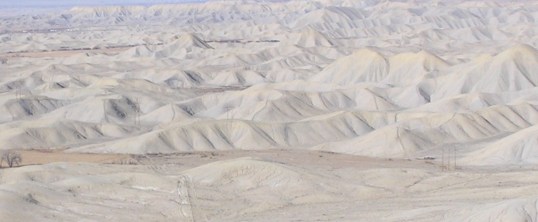
Anthony took the verse to heart, sold everything he had -including his books- and eventually ended up living in a cave deep in the Egyptian desert.
One day a visiting philosopher asked Anthony how such a learned man got along in the desert without any books!
Anthony replied, “ My book is the nature of created things, as often as I have a mind to read the words of God, it is at my hand.” Anthony the Great (AD 235-356)
Anthony was not the first or last person to see Nature as God’s Book.
- Sacred Writings are bound in two volumes: that of creation and that of the Holy Scripture. Thomas Aquinas (AD 1225-1274)
- Nature is God’s “Public Library” Cotton Mather (AD 1663-1728)
- Reason can know God through the Book of Nature. Pope John Paul II
A little Psychology: Reading God’s Nature Book makes us smarter.
Research study from the University of Michigan:
Students are given a brief memory test, then divided into two groups.
Group 1: takes a walk around an arboretum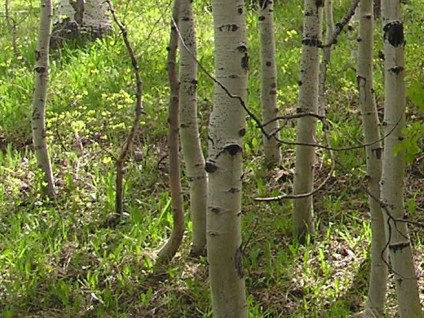
Group 2: takes a walk down a city street
After their walks, participants take the memory test again.
Results:
Group 1: who had walked among trees do almost 20% better than their first test.
Group 2: who had taken the city walk do not consistently improve test scores.
Other studies show that nature walkers are better proofreaders than city walkers.
Stanford University found that 50 minutes in a city park boosted people’s moods as well as their working memories and attention.
Another study found that people immersed in nature for extended time – four days – raised their performance on a creative problem-solving test by 50%.
Q. Why does time in nature improve our memory, attention, mood, and creative problem solving ?
A. One going theory is that walking in nature seems to rest our attention networks. Many of us are using our brains to multitask most of the day. Being in nature allows our brain’s prefrontal cortex to recover and we can then experience increased creativity, attention, problem-solving, and feelings of well-being.
Lectio Divina with the Book of Nature
Lectio (Reading) Divina (Divine) is a historic Christian practice that is usually done with the Bible, but today I invite you to use God’s other book.
Here’s how I do Lectio Divina with God’s Book of Nature.
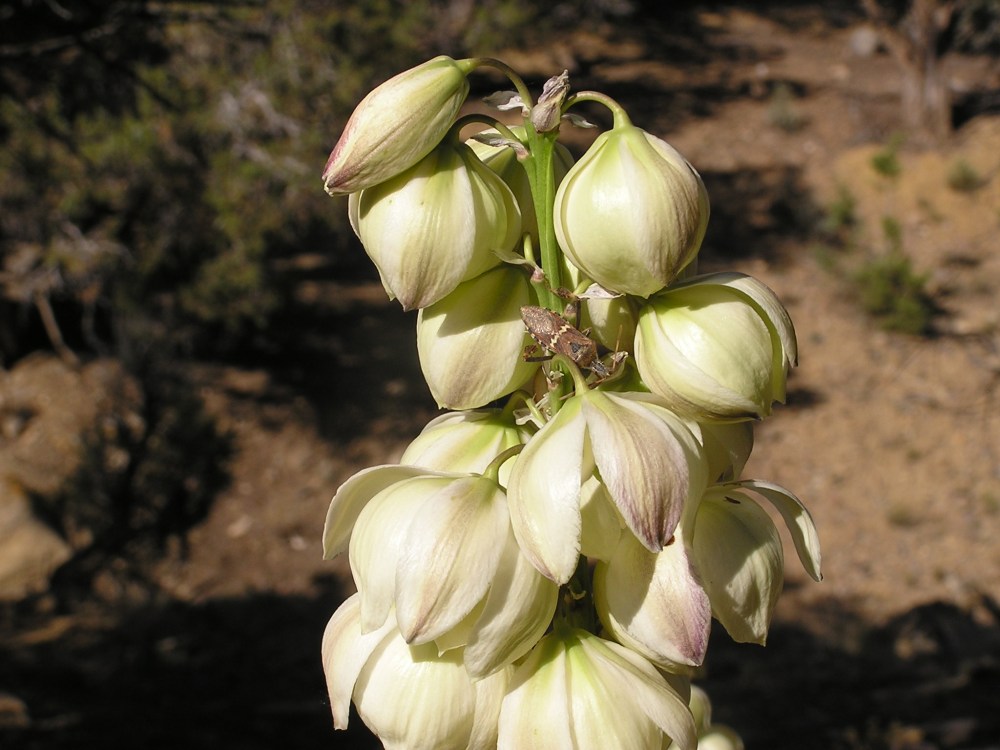
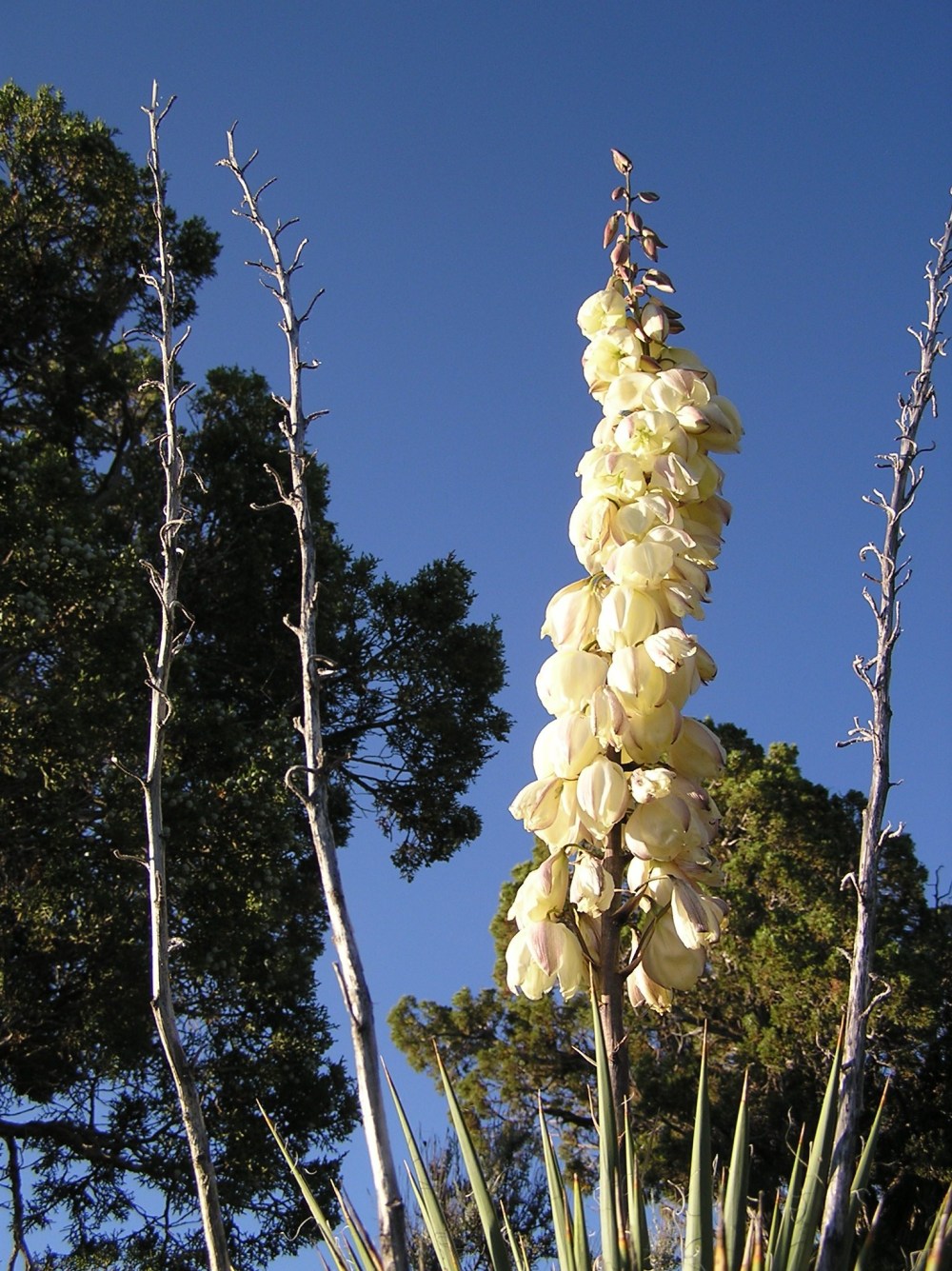
1. On a walk I find something that catches my interest. Blooming Yucca
 I stop to read the object.
I pay attention to detail. I notice the delicate fruity scent, the creamy color. And the creamy colored moths that relate only to yucca blooms.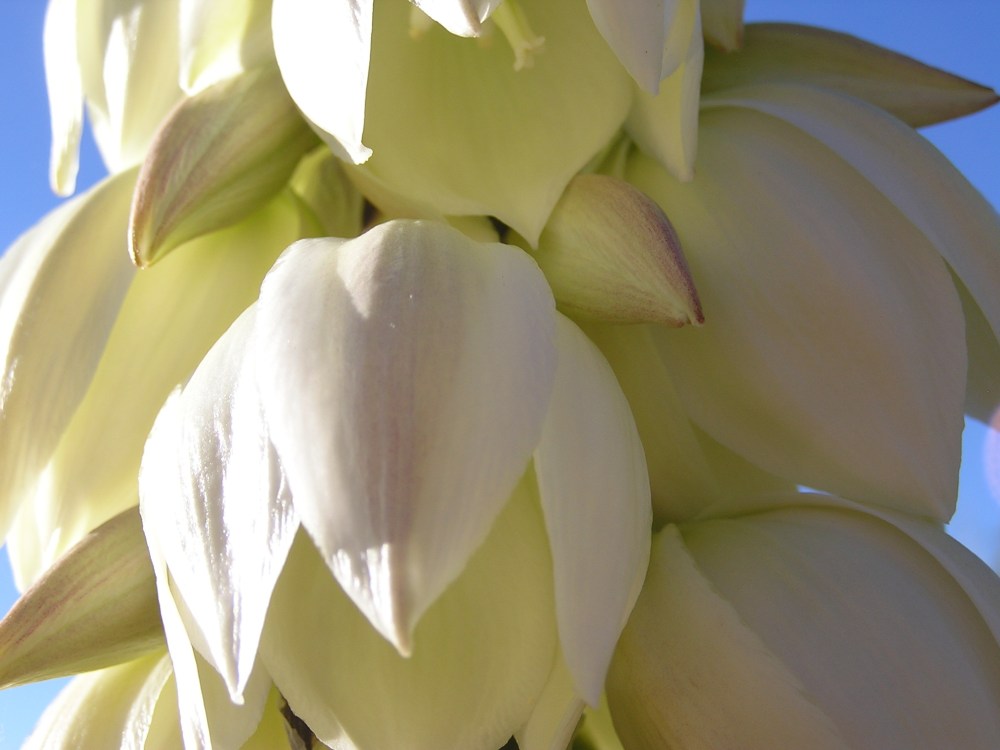 2. I meditate on / think about, the ability of these plants to bloom in this drought year, the elegant beauty of the blossoms. I ponder the life of a moth that only appears in this brief season. I wonder what this tells me about the Creator of the yucca. What can this yucca teach me about God? How can I bloom in a year of drought?
3. I Pray/ talk to God about my thoughts. I ask God my questions and listen for answers.
4. I take time to just Be with God. No words needed.
Lectio Divina with the Book of Nature can be done in a minute or two or an hour or two. Your choice.
Soul Sculpting Project: Lectio Divina with the Book of Nature.
Take a walk and do a Lectio Divina with the Book of Nature.
Stuck inside? Look around for nature,- a plant, a view out the window- and use that nature for Lectio Divina.
- Read the Book of Nature: Pay attention to nature.
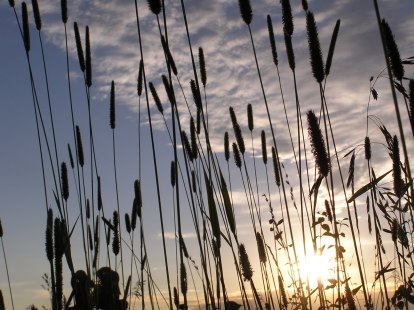
- Meditate: Think about, chew on, listen to, lessons.
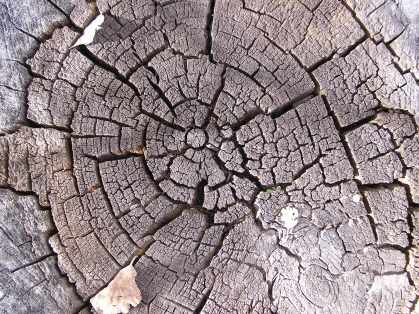
- Pray: Tell God your thoughts. Listen to God’s thoughts.
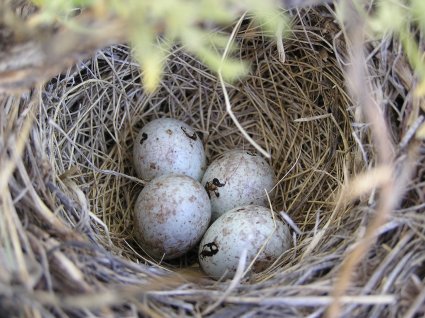
- Contemplate: Be there with God.
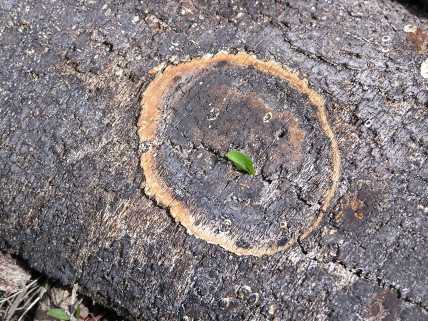
Since the creation of the world God’s invisible qualities- His eternal power and divine nature have been clearly seen, being understood from what He has made. (Romans 1:20)