Year: 1211
It was not a rash choice. Clare had been watching with fascination as several young men from her small town left their comfortable homes to join Francis in an uncomfortable, radical new way of following God.
On the evening of Palm Sunday, Clare snuck out a side door of her family’s mansion and made her way out of town and down the hill to a tiny church building.
In a candlelit ceremony, Francis cut Clare’s long hair to symbolize her choice to step away from her former life and enter this new way of following God. After this ceremony, Clare exchanged her rich clothing for very simple clothing to complete her declaration to the world and herself that she was making a change.
Clare’s uncles were offended at her decision and when they came to retrieve her by force it was only when Clare removed her veil to show her cut hair that they realized her decision was made and could not be altered.
Clare’s symbolic action choices were a good fit for communication to her culture and for reminding herself of her new identity:
- Her cut hair symbolized her renunciation of the laws of society and her commitment to God.
- Her simple clothing symbolized her new love of simplicity and “Lady Poverty”.
Hildegard’s symbolic actions were also a good fit — but in the reverse.
Year 1150
Hildegard was a brilliant woman who was more interested in receiving visions from God and acting on them, than complying with all of the standard rules for women of her day.
From her letters we learn that at least one of Hildegard’s symbolic actions was considered a scandal to the nuns living in nearby convents.
Like Clare’s symbolic actions, it had to do with hairstyle and clothing.
On religious Feast Days, when the nuns in the nearby convents were wearing their standard modest clothing and concealed hair – the 50 nuns under Hildegard’s leadership wore crowns of gold filigree, with their hair down, flowing free, and their gowns of shining white silk.
Hildegard believed this hairstyle and clothing better symbolized their identity as beloved pure brides of Christ.
And – Hildegard also knew that wearing these symbols would declare this beautiful identity to their fellow sisters and most especially to themselves.
Enclothed Cognition
Clare and Hildegard were using a concept that we now call “enclothed cognition”.
The main idea is that the clothes we are wearing actually influence the way we think and act by combining two different forces.
- The Symbolic Meaning of the clothing.
- The Physical Experience of wearing the clothing.
Symbolic Meaning
Research studies have found that if we put on a white jacket that we think is a doctor’s lab coat, we will perform differently on an attention related task, than if we wear the identical coat and think it is a painter’s coat.
The symbolic meaning of clothing influences our thoughts and behavior.
Physical Experience
The textures, colors, and style of our clothing create physical and visual experiences that influence our thoughts and behavior.
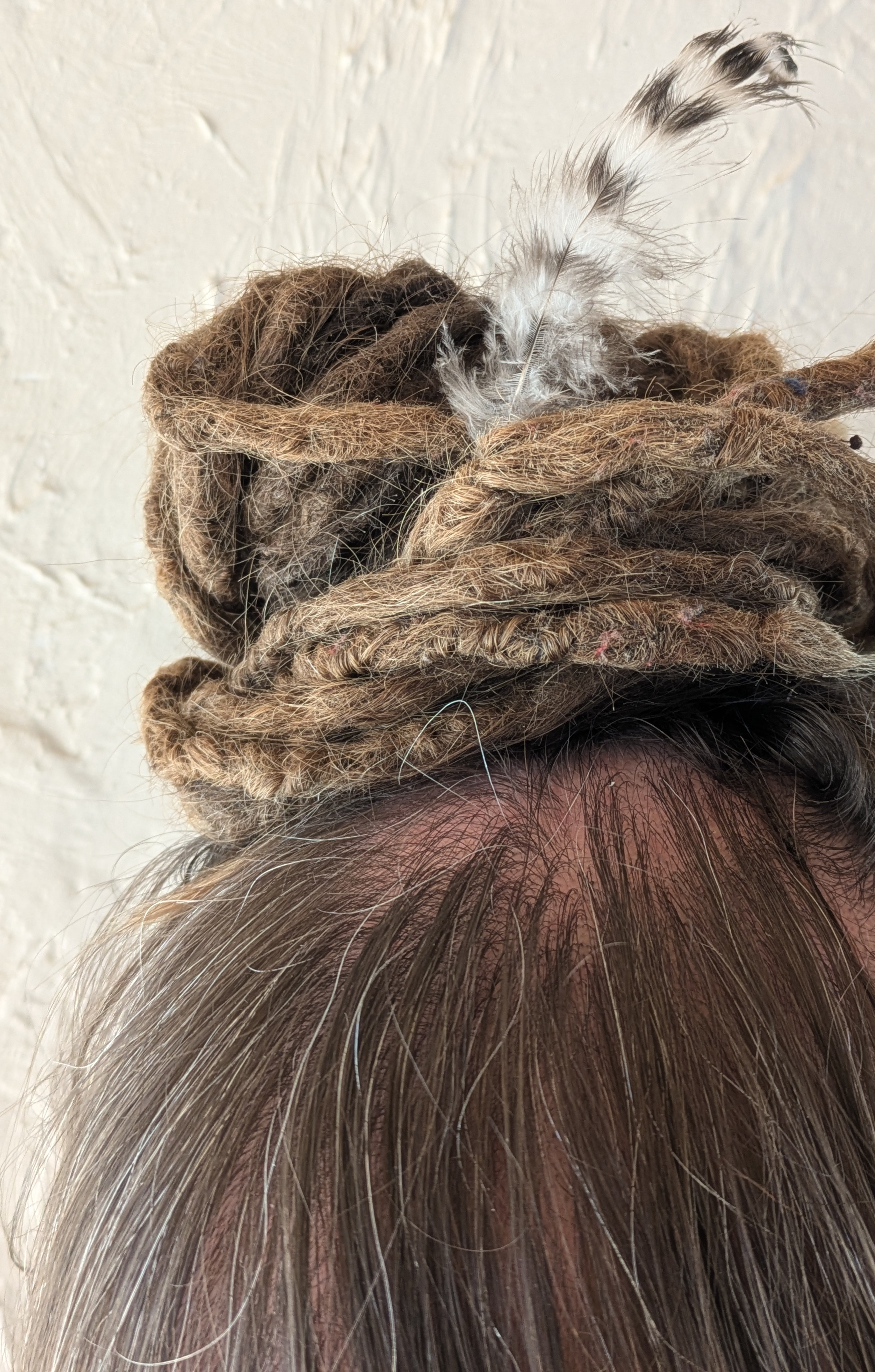
Like clothing, our choice of hairstyle speaks loudly to the culture around us and ourselves.
Our identity and emotions are surprisingly connected to our hair, so a change in hairstyle can nudge or even launch us in new directions.
Bottom line:
Our clothing and hairstyle have a surprising influence on how we are seen by others and how we see our own identity.
Some symbolic actions we take are life-changing declarations like Clare’s haircut.
Others, like Hildegard’s, are identity declarations done for a day or a season.
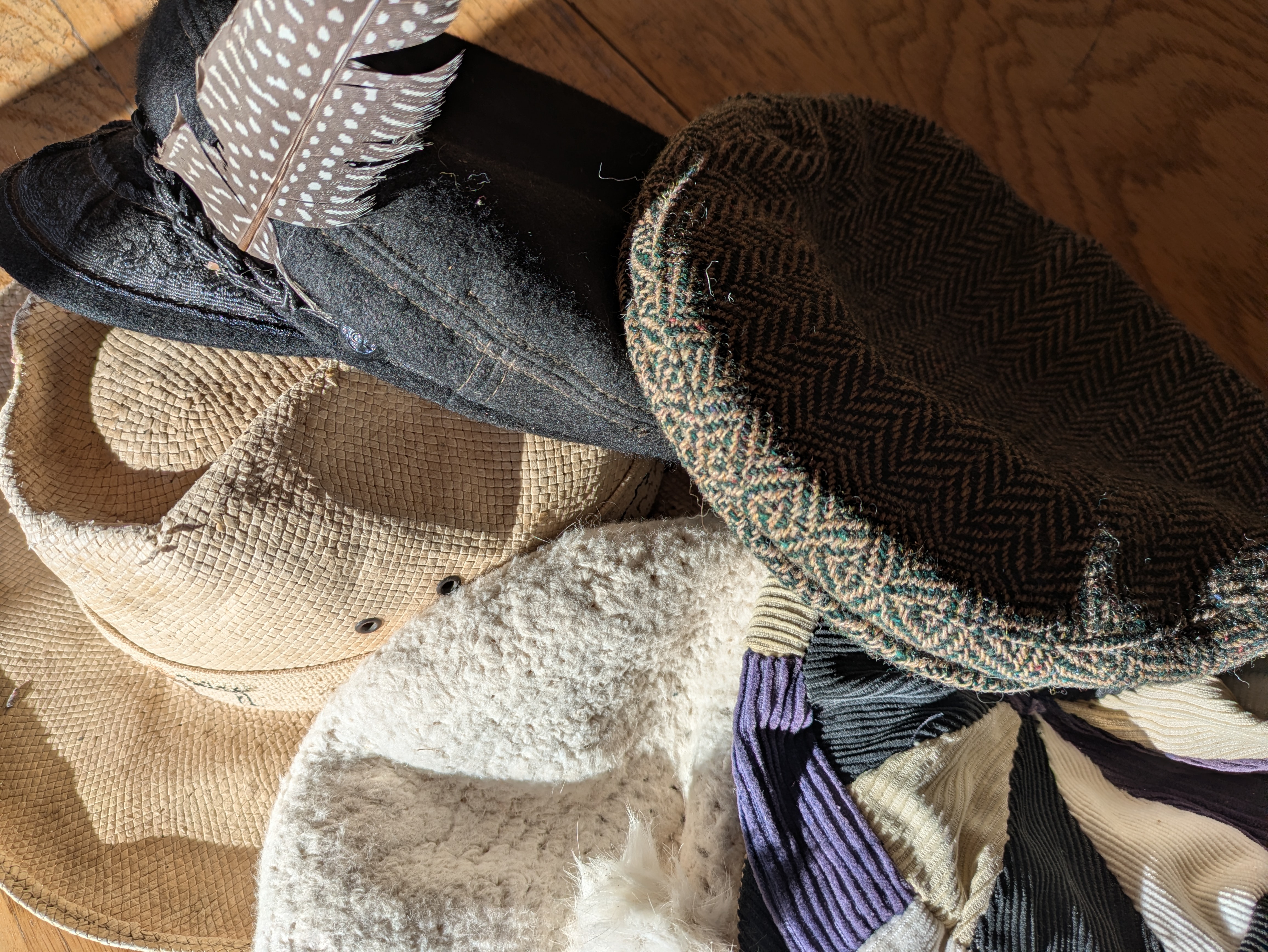
We can create symbolic actions that are loud and obvious to the world around us or so discreet that only we know about them.
Our symbolic actions do not have to be huge.
Simple acts like parting our hair on the other side actually make a difference.
Questions:
- If our clothing and hairstyle choices have such a great influence on us – how could we use it to help us move in a direction we want to move?
- Could we use a tiny change in our clothing or hair to remind us of who we are or want to be?
- Would a tiny change in our clothing or hair be able to launch something wonderful?
Soul Sculpting Project: Harnessing the Power of Hair and Clothes
- Invite God’s good company.
- Name an identity or direction change that you would like to explore for a day or season.
- What very small symbolic clothing or hair change could you make to symbolize this identity/ direction?
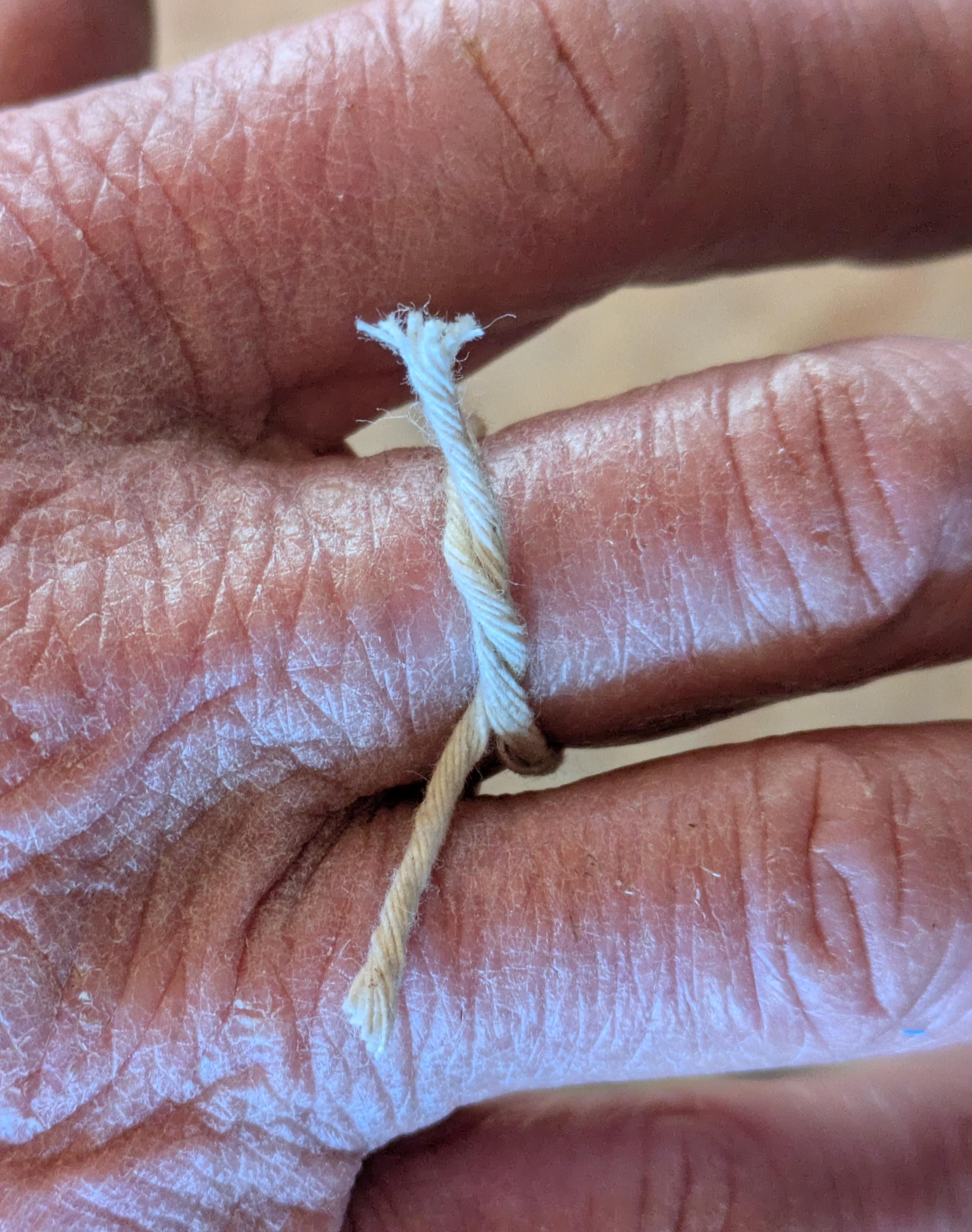
Like tying a string around our finger, making a small change in our hairstyle or clothing can serve us as a reminder.
Gratitude to the many researchers on the symbolic power of hairstyle and clothing.
Adam, H., Galinsky, / Slepian and Colleagues/ Gilath, and associates/ and more.
 soulsculpting