I’ve read it hundreds of times — how could this time be so different? I think it was the stars.
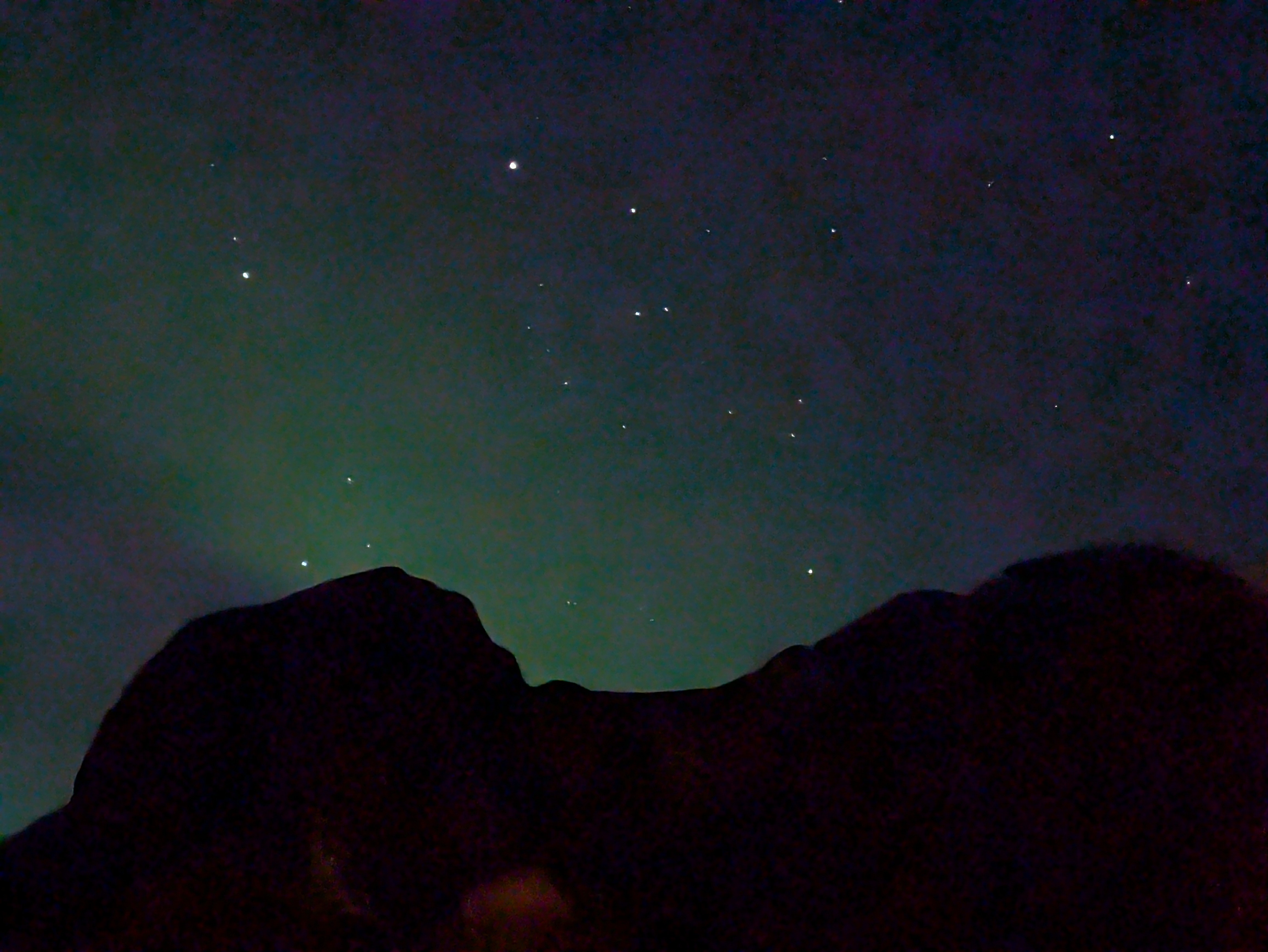
It was quite dark, no moon, but the stars were brilliant. One star in particular, probably a planet, outshone them all. We had taken a short flashlight walk to a sandstone overhang that looked a little like a cave. A wooden box held some hay and our baby Jesus. We turned off the flashlights, lit some candles and Caleb began to read our story.
The story felt very familiar, until we got to the part where the terrified night-shift shepherds encountered a heavenly host. Sitting in that darkened world with the blazing stars around. I felt the amazement and terror of those shepherds. The words being read were no different than the ones I have always heard. But the location where I sat brought them alive as never before.
There are names for this kind of Bible reading: Relocated or Dislocated Exegesis.It’s the practice of reading Scripture in unexpected places and experiencing the fact that our environment can change our perspective.
Since that Christmas Eve experience a couple of years ago, I have begun experimenting with taking other Scriptures into new contexts. I read the Garden of Eden story in a forest and could imagine Adam hiding behind a bush as God called his name. On a high desert hike I read parts of the Israelites desert exodus and felt the vulnerable fear of no water.
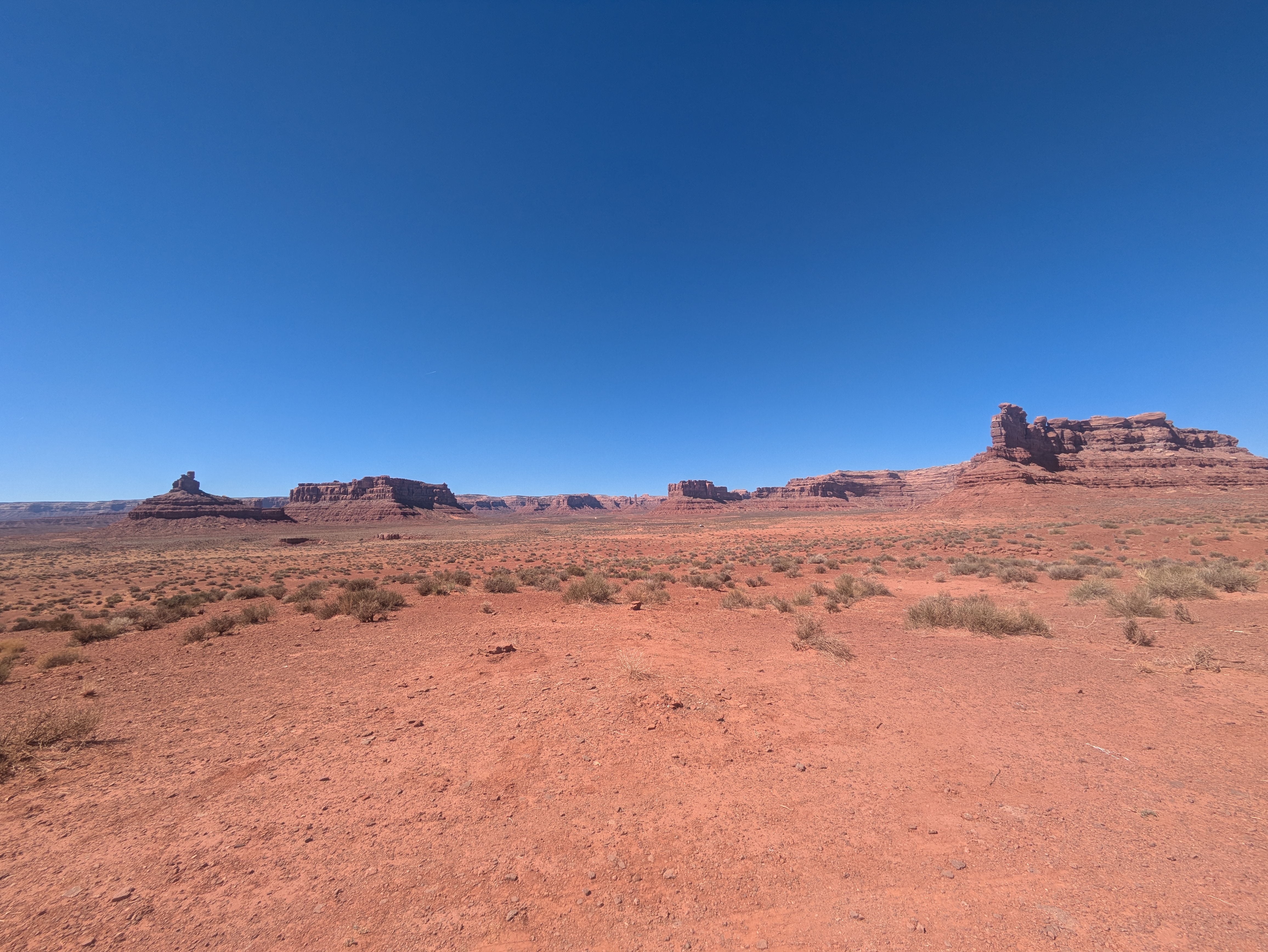
I’ve heard of other people taking their Bible to banks to read about economics or to protest sites to read about justice. Belden Lane does Relocated Exegesis using the writings of the Saints. In his Backpacking with the Saints, Lane brings St. John of the Cross into Utah’s Canyonlands Maze district and St. Therese of Lisieux to Wyoming’s Laramie Peak.
Relocated Exegesis uses a concept in psychology called environmental priming: This is when, frequently without our conscious awareness, our behavior and emotions are influenced by our environment: the sounds, smells, objects, temperature . . . i.e. everything around us. The power of these primes is surprisingly high.
In Relocated Exegesis we use this power of Environmental Primes to help us engage Scripture in a new way.
Soul Sculpting Project: A New Way of Reading
- Invite God’s good company
- Select a text from the Bible or other literature.
- Go to a new location
- Read
Sometimes we can do an intentional match like:
In a home:
- Mark 2:1-12 Jesus and the paralytic
- 1 Kings 17:17-24 Elijah and the widow’s son
At a river:
- Matthew 3:13-17Jesus’s baptism
- Psalm 1
In a crowd:
- John 6:1-15 Feeding of the 5000
- Luke 8:43-48 The woman who touched the edge of Jesus’s cloak
In a religious building:
- Luke 13:10-17 Jesus and the bent over woman
- 2 Chronicles 7:1-7 Solomon and the Temple
In nature:
- Genesis 1:1-2:3 Creation of the world
- Matthew 6:25-34 Jesus teaching on a hillside
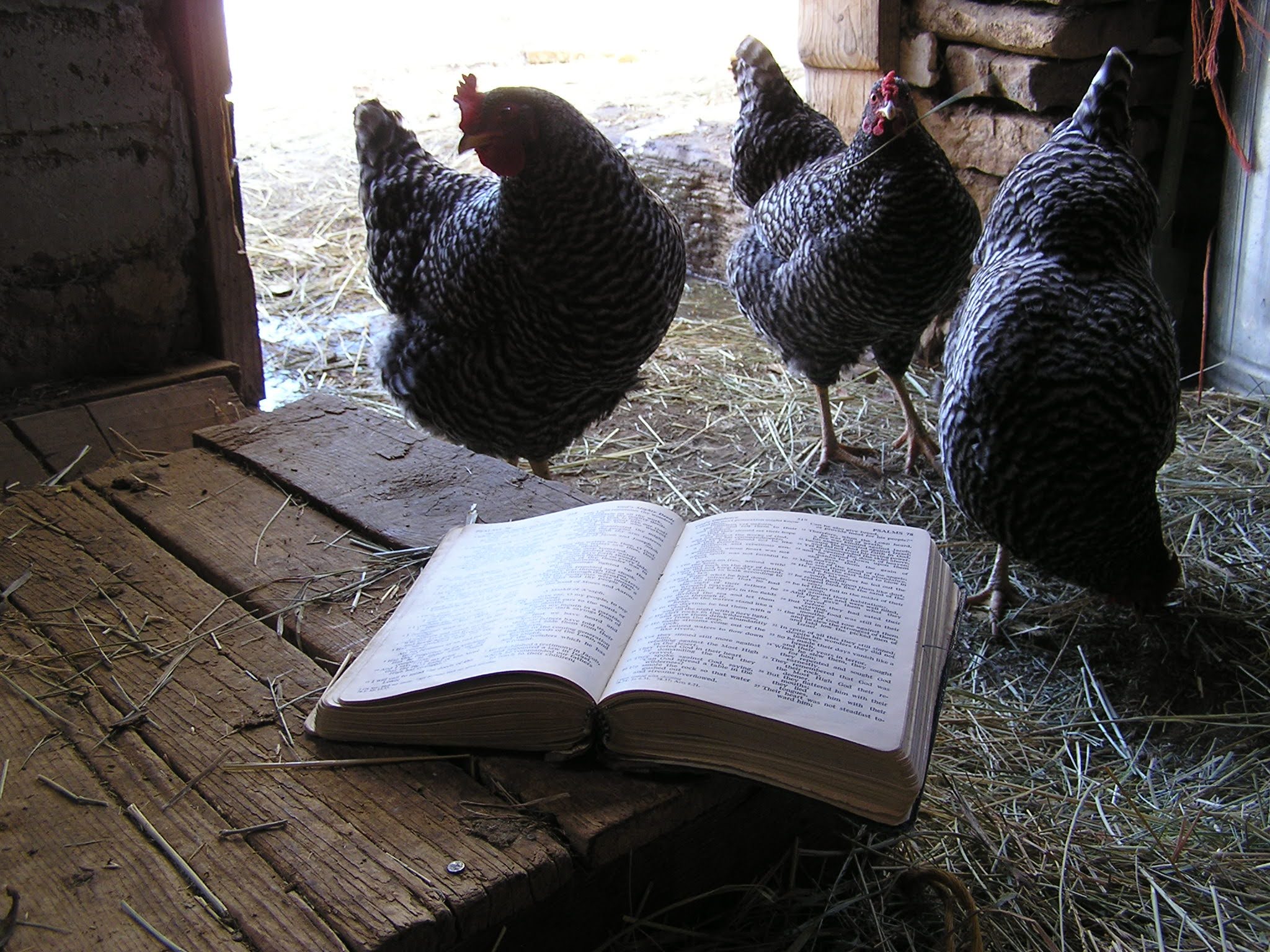
This most recent Christmas, Evan and I did a series of Relocated Exegesis by reading through the Gospel of Luke chapter 1 and 2 in various locations in and around our house. We read about Zachariah and Elizabeth’s childless dilemma in front of our fireplace, we read about Zachariah’s encounter with the angel Gabriel in Evan’s prayer cell. Gabriel visited Mary in a little outbuilding we call the Hermit Hut and we concluded our reading with the birth of Jesus in the goat barn.
Each location gave me a new perspective of the story I knew so well.
I hope this project can help all of us find fresh life in Scriptures and fresh encounters with God.
 soulsculpting