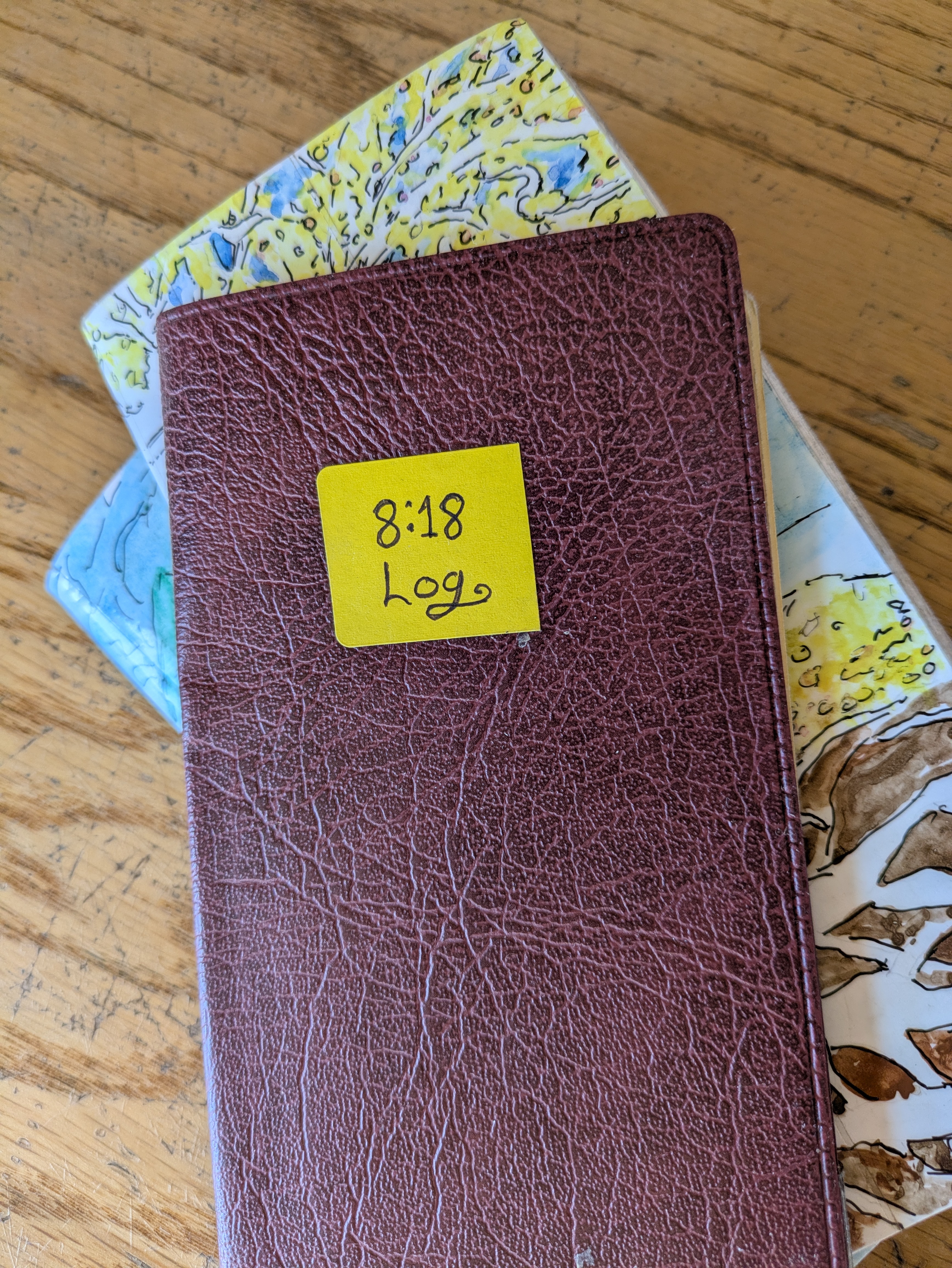
Years ago I decided to test the alarm function on my new watch by setting it at 8:18 p.m. It worked. For a reason I no longer remember, I didn’t get around to turning off the alarm and it continued to go off at 8:18 every evening.
I noticed it was interesting to see just what I was doing every evening at 8:18, so I casually began to keep a mental record.
Later that year when I left for an overseas trip, a friend asked me to keep a journal of my 8:18 locations. When I came back I was to report them to her, as a way of sharing the trip together.
I liked the quick journaling activity so I continued journaling my 8:18 locations for a while. Then I dropped the journaling and began to use my 8:18 notification for other purposes. For a while it reminded me to do some exercises and then I switched to taking a moment of pause to be in the here and now.
A few months ago I took one of those online gratitude tests – a few questions that help you evaluate how grateful you are. I was not particularly pleased with my score.
I knew the easiest way to improve my score was to create a Tiny Habit.
Tiny Habits have three parts:
- A trigger
- An action
- A reward
I quickly figured out what the tiny action for my gratitude habit would be: thinking of something I was grateful for.
To me, the reward felt pretty automatic: there was pleasure in just thinking of the gratitude and I’d also get the satisfaction that this tiny act was helping me increase my gratitude score.
Where I got stuck was figuring out what I would use for a trigger. — A trigger is something that reminds you to do the action.
Then the obvious occurred to me. My 8:18 alarm.
I began testing out my tiny habit each evening and was surprised how easy it was to do. Even in the midst of activities, I could quickly think of something I was grateful for, usually it related to what I was doing right then.
I’m happy to report that my new gratitude habit is still going quite well, but I don’t know how much longer I will continue to use my 8:18 trigger for gratitude. I’ve observed that my 8:18 habits tend to fall away after a while and a new habit is launched. For me, that’s okay.
The gratitude that is currently being built in my life is good soul food.
Tiny Habits are behavioral change tools with a high success rate for creating positive change in our lives.
When you design a Tiny Habit, one of the keys to success is keeping the action VERY tiny. So tiny it seems insignificant. (Thinking of one thing I am grateful for.) But what happens is, that tiny action has the power to set off an avalanche of positive change — over time.
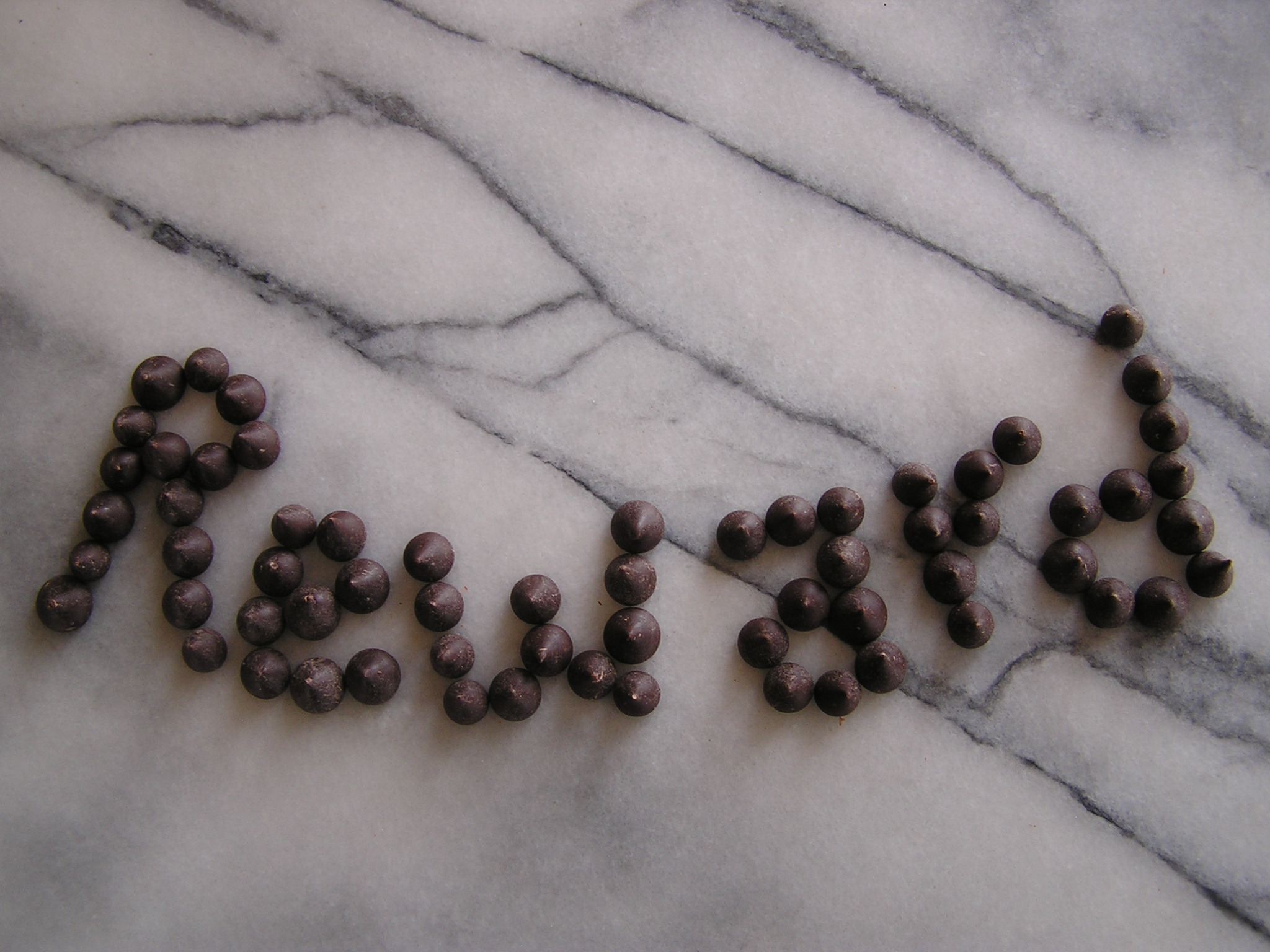
Rewards can be simple and easy. A thumbs-up, pat on the back, a celebration dance or even a chocolate chip – whatever gives your brain’s reward system a boost. The reward becomes less vital once a habit is formed.
I invite you to consider joining me by creating a Tiny Habit of your own.
Soul Sculpting Project: Design a Tiny Habit
Ask the following:
- What would I like to change? (Ex: Become more grateful.)
- What very tiny action would relate to this? (Ex.Think of one thing I am thankful for)
- What trigger can get it going? (Ex. An alarm)
- What reward will keep it going? (Ex. The pleasure of gratitude and a thumbs-up.)
The original watch that launched my 8:18 habits is long gone. When I acquired a new watch I promptly set the alarm for 8:18. This little trigger feels as valuable as the watch.
Regarding my new Tiny Gratitude Habit: I’ve noticed that some days I am tending to think of things I am thankful for – even when it is not 8:18. I hope it’s the beginning of an avalanche.
The Tiny Habits Method was designed by Stanford Behavioral Psychologist B.J. Fogg
For more on Designing a Tiny Habit see: Playing with Habit Design
 soulsculpting