Long ago in the year 253 an 18 year old named Anthony was sitting in church when the reader stood up and read the words of Jesus, “Go, sell all you have and give to the poor and come and follow me.” (Matt. 19:21)
Anthony took the verse to heart, sold everything he had – including his books — and eventually ended up living in a cave deep in the Egyptian desert.
One day a visiting philosopher asked Anthony how such a learned man got along in the desert without any books.
Anthony replied, “ My book is the nature of created things, as often as I have a mind to read the words of God, it is at my hand.”
Years later in the 1200s a noted theologian named Thomas Aquinas declared that “Sacred Writings are bound in two volumes: that of creation and that of the Holy Scripture.”
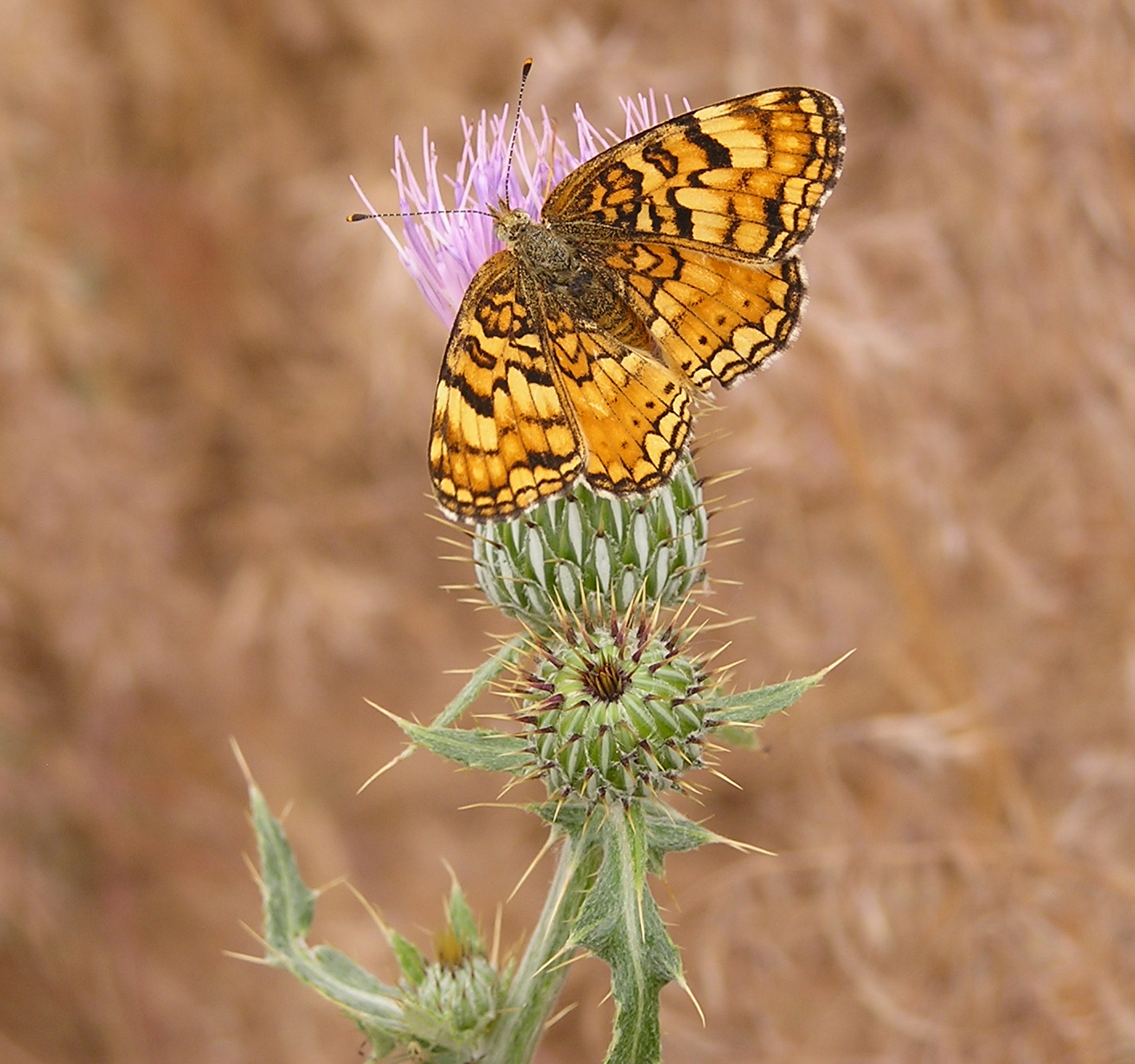
Sacred Writings are bound in two volumes: that of creation and that of the Holy Scripture.
Thomas Aquinas
Lectio Divina
Lectio — read. Divina — divine.
Lectio Divina was an established practice for monks by the 6th century. And in the 12th century a monk named Guigo II formalized it into this four-step method.
- Read
- Meditate
- Pray
- Contemplate
Today our Prayer Project is to do a Lectio Divina with the Book of Nature.
To begin we need to find some nature right where we are. Take a look around you right now. What do you see that you consider part of nature. If you’re inside – look out the window, look around for a plant, look around for a natural item such as a wood grain surface.
If you’re outside, look around for trees, plants, insects, birds, or look up at the clouds.
Prayer Time
As soon as you’ve found your piece of nature, we can begin. I’ll put some background sound for us.
Let’s begin with step one: Read
To read the book of nature, we use our five senses.
For a good read – give careful attention.
- The first sense we can use is that of sight. Look at your selected bit of nature, pay attention to everything your eyes notice about it. It’s color, how light reflects on it, patterns, shape.
Now let’s use our other senses. I will call them out. You can use each sense – if they are appropriate – for the nature that you have selected. For a good read – give careful attention.
- Hearing: Does the nature make any sound? Could it make a sound? Soft, loud, high low, . . . ?
- Smell: Does it have an odor?
- Touch: If you can touch the nature , what does it feel like? Examine all the textures.
- Taste: (if appropriate) What does it taste like?
Now that we have done a brief reading, let’s move to step two: Meditate
- Let’s spend several seconds thinking about/chewing on what we have experienced with our senses. What did you notice? What did you wonder? Did anything concern you or delight you?
Let’s move together to step three. Pray
- Audibly or silently Take a few moments to tell God your thoughts about this nature. Questions, delights, and frustrations are all welcome. Then ask for God’s thoughts. Listen.
We move now to our final step: Contemplate.
- In this use of the word – contemplate is not thinking but it is being. It’s a little like sitting on a porch swing on a summer evening and watching the sunset with your best friend. Let’s take some moments to just be here with God, the creator of this nature.
Years before Thomas Aquinas or Anthony was alive, the apostle Paul wrote a letter to people in Rome declaring that, “ Since the creation of the world God’s invisible qualities — His eternal power and divine nature have been clearly seen, being understood from what He has made. (Romans 1:20)
We can’t see God, but if we look at the things God made, we can see God – a little bit.
Thank you for joining me for Our Prayer Project #6 Lectio Divina with the Book of Nature.

My book is the nature of created things, as often as I have a mind to read the words of God, it is at my hand.
Anthony the Great
 soulsculpting