When was a time you encountered something that felt vast, mysterious, beyond your current understanding of the world? Something that made you stop in your tracks and – maybe say, “wow”.
Do you experience this emotion of awe very often?
I’ve been encountering awe a lot more than I used to. Probably it’s because I’ve been on the lookout for awe, and we tend to find what we’re looking for. Another contributing factor is that I know where to look.
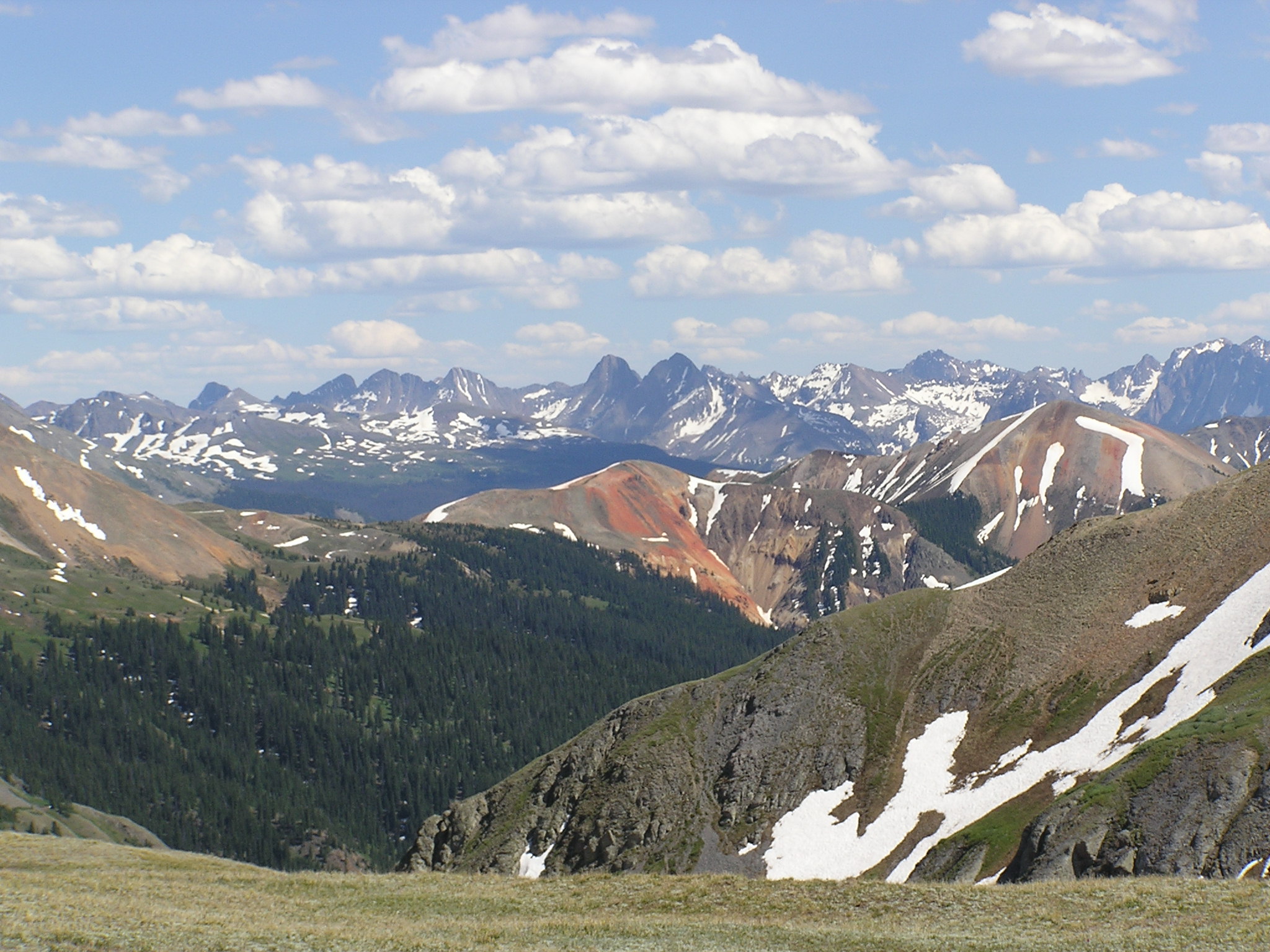
For me, one of the places that I regularly experience awe is in nature – God’s creation, the wilder the better. But nature is not the only place I find awe nor is it the place where we humans most frequently experience awe.
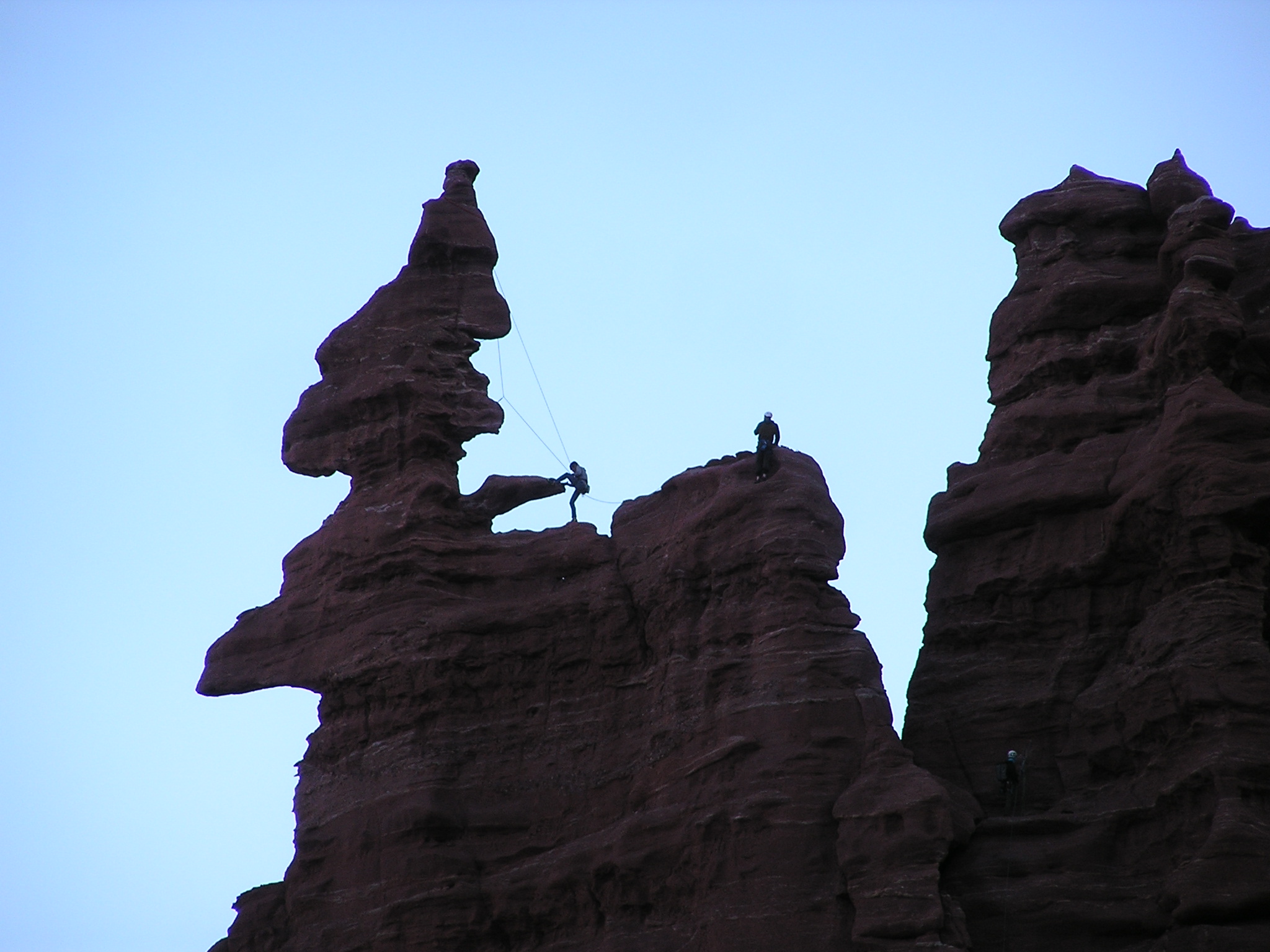
Recently, a couple of researchers out of UC Berkeley (Yang and Keltner) set out to discover where human beings find the emotion of awe.
They collected 2600 awe stories from 26 different cultures.
The question prompt for these stories was:
“What is an experience of awe that you have had, when you encountered a vast mystery that transcends your understanding of the world?”
Though many people told stories about awe in nature, the most common subject of awe stories was moral beauty.
We humans feel awe when we observe exceptional goodness, courage, kindness, strength, purity or virtue in other humans.
I was surprised that Moral Beauty was number one though I can understand it because I, too, feel awe when seeing exceptional moral beauty in others. I remember, for example, walking down a street in San Francisco and observing two Missionaries of Charity. Because I am familiar with Mother Teresa’s work and hold her in awe, I transferred this emotion to her sisters. I was surprised by my strong, gut level reaction at just seeing them on the street. It was an experience of awe.
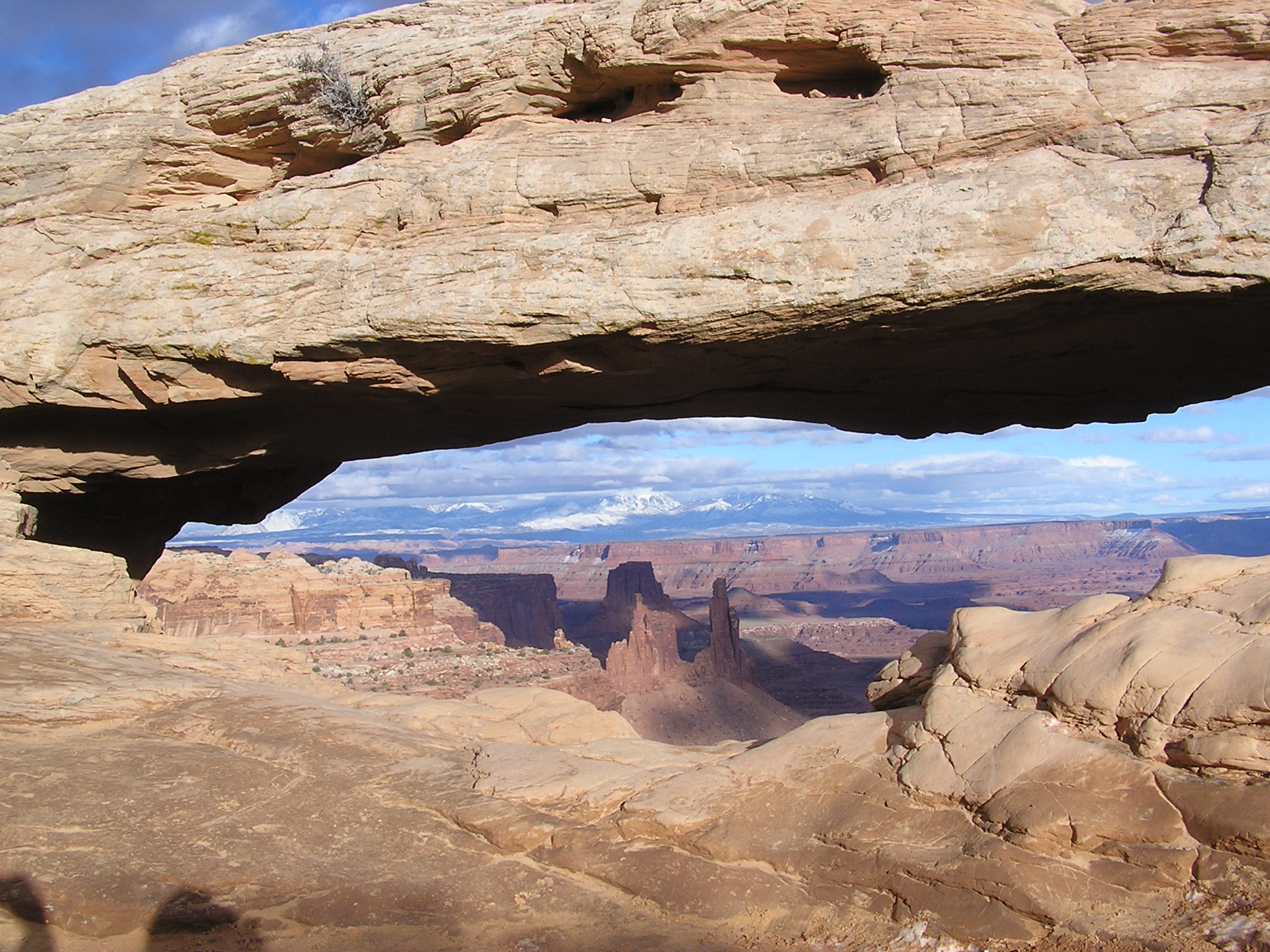
Where to look for awe
In the studies of 2600 awe stories eight categories dominated nearly all of the stories.
If you would like to go looking for awe. Here are the eight most likely places you will discover it.
- Moral Beauty —exceptional goodness, courage, purity, . . .
- Collective Effervescence –when people feel merged into a collective self at events like graduations, sporting events, political rallies, . . .
- Nature
- Music
- Visual Design – buildings, paintings, machines, . . .
- Spiritual and Religious
- Life and Death Cycle
- Epiphanies – philosophical insights, scientific discovery, personal realizations, sudden disclosures. . .
I have experienced awe in all eight of these categories, but there are some that are more frequent for me.
Where do you frequently experience awe?
One of the great things about the emotion of awe, is that we don’t have to passively wait for it to drop into our lap. With just a little effort, Wow! can become a regular part of our vocabulary.
Why make the effort to look for awe?
Aside from the pure pleasure that often comes when we experience awe, this emotion brings us some benefits.
The curious effects of awe
After experiences of awe:
- We tend to be kinder and more cooperative and connected with others.
- We become more patient with a sense that time has slowed down.
- We are less materialistic
- We feel (and are perceived by others as being) more humble
- We are less concerned with life’s daily stressors.
- Our overall well-being improves.
Positive or negative?
Occasionally awe is triggered by a negative or fearful event. I have a friend, for example, who was on a small boat in New York Harbor on September 11th 2001. He considers that experience as one of awe. The word awe goes back to the Middle English word “ege”which referred to fear and dread. But now the word awe is more closely associated with emotions like admiration and appreciation, than emotions like fear or anxiety. Currently, awe is most frequently a positive emotion.
Soul Sculpting Project: Go Looking for Awe
- Pick one of the eight categories where we often experience awe.
- Invite God’s company.
- Go actively looking for awe, or just keep your eye out for it and expect it will appear.
Seek and you will probably find.
One of the ways that I seek awe is by putting myself in a place where I know I might encounter it. For me, that’s nature. There have been times this year when I wanted to abandon my driven desire to get- things-done and instead make it my business to simply walk outside and stand in awe.
My gratitude for the work of Dacher Keltner and other awe researchers.
 soulsculpting