When I Need to Forgive Myself: Soul Sculpting Project
Ever accidentally injured or killed a pet? If you have, you’re not alone. I have done it more than once.
Goldfish, a beloved hen, and our family dog. The dog was the hardest.
He was 19 years old, nearly deaf and nearly blind but still happy to be alive.
It was an accident backing the truck. Understandable circumstances, but it was my fault. It was hard to forgive myself.

“And forgive us our offenses, as we forgive those that offend us.” Matthew 6:12
If you’re a follower of Jesus like I am, forgiveness is not optional. Jesus was clear about the importance of forgiving.
We know that forgiveness is critical for good relationships with other people. Forgiveness is also critical for our own health and well-being.
We carry unforgiveness around in our body in the form of higher blood pressure, higher cholesterol, increased risk of heart attack, increased body pain, and a weaker immune response, as well as increased likelihood of depression and anxiety.
When we choose to forgive, all these conditions reverse. We are more likely to have lower blood pressure and lower cholesterol levels. We have a lower risk of heart attack and experience less physical pain. Our immune response strengthens and numerous studies demonstrate that our psychological health improves. We were designed to thrive when we forgive.
We forgive other people and we ask them to forgive us. We ask God to forgive us. But sometimes the hardest one to forgive is our-self.
What is forgiveness?
As I’ve worked on forgiving myself, it’s been very helpful to look at the definition of forgiveness; what forgiveness is and especially what forgiveness isn’t.
Forgiveness is not:
- Forgetting that an offense has ever happened
- Condoning, excusing the wrong by saying, “it’s okay”
- Dismissing, calling the offense insignificant, nothing to take seriously.
- Reconciliation, which requires two people. An injured person can forgive without the offender’s involvement.
- Pardoning is a legal transaction that releases the offender from the consequences of an action. Forgiveness is a personal transaction of release.
I understood that forgiveness is not forgetting about my offense. Clearly I have not, as I am recalling it as I write. Forgiveness is not saying that my offense is okay, or insignificant, or that it had no permanent consequences for my family.
So what is forgiveness?
Forgiveness is:
- When a person overcomes negative emotions, thoughts, and behaviors and replaces them with positive emotions, thoughts and behaviors towards an offender. In this case, the offender is us.
How do we move into self-forgiveness? Here are 4 R’s to work with.

The 4 R Road to Self-Forgiveness
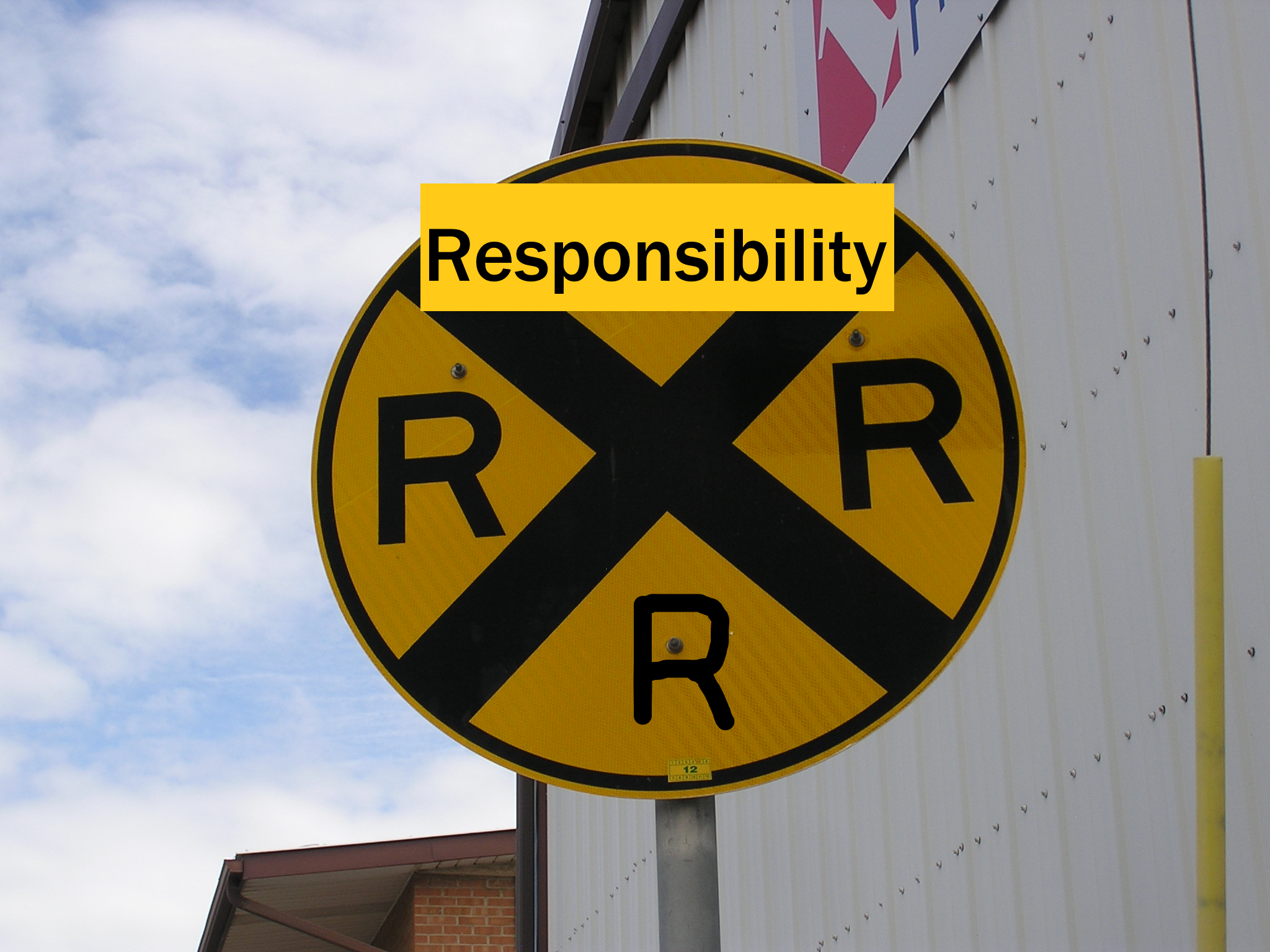
1# Responsibility – Take it
- Shame: I am bad.
- Guilt: I did bad.
Shame is associated with substance abuse, eating disorders, road rage, domestic violence, self-harm, and many other negative behaviors.
Guilt is not associated with the above shame list. Guilt is a feeling of remorse or responsibility for something you’ve done wrong and is usually related to a specific event.
Ban shame.
Celebrate guilt! What would our society be like without it? When we do something against our moral code, guilt notifies us to take action and make it right. The unpleasant emotion of guilt gives us the impetus to correct our wrong.
Put guilt to work– Use the power of guilt to fuel positive change.
What about False guilt? Use the next R to ferret that out.

#2 Research it
Step back form the situation and put on your lab coat. Why did you do it? What were your motivations? What were the circumstances? Explore the topic of false guilt. What is my degree of guilt here?
Then learn from your research. Make a plan how to not repeat the action.
This research step was the most helpful step for me.The main reason that I found it hard to forgive myself was that I didn’t want to just let myself off the hook and repeat the offense. My No Repeats Plan included getting a vehicle backing camera and reminder to value un-distracted driving. I also recognized in the research that I needed to accept the fact that I am human and I will make mistakes.
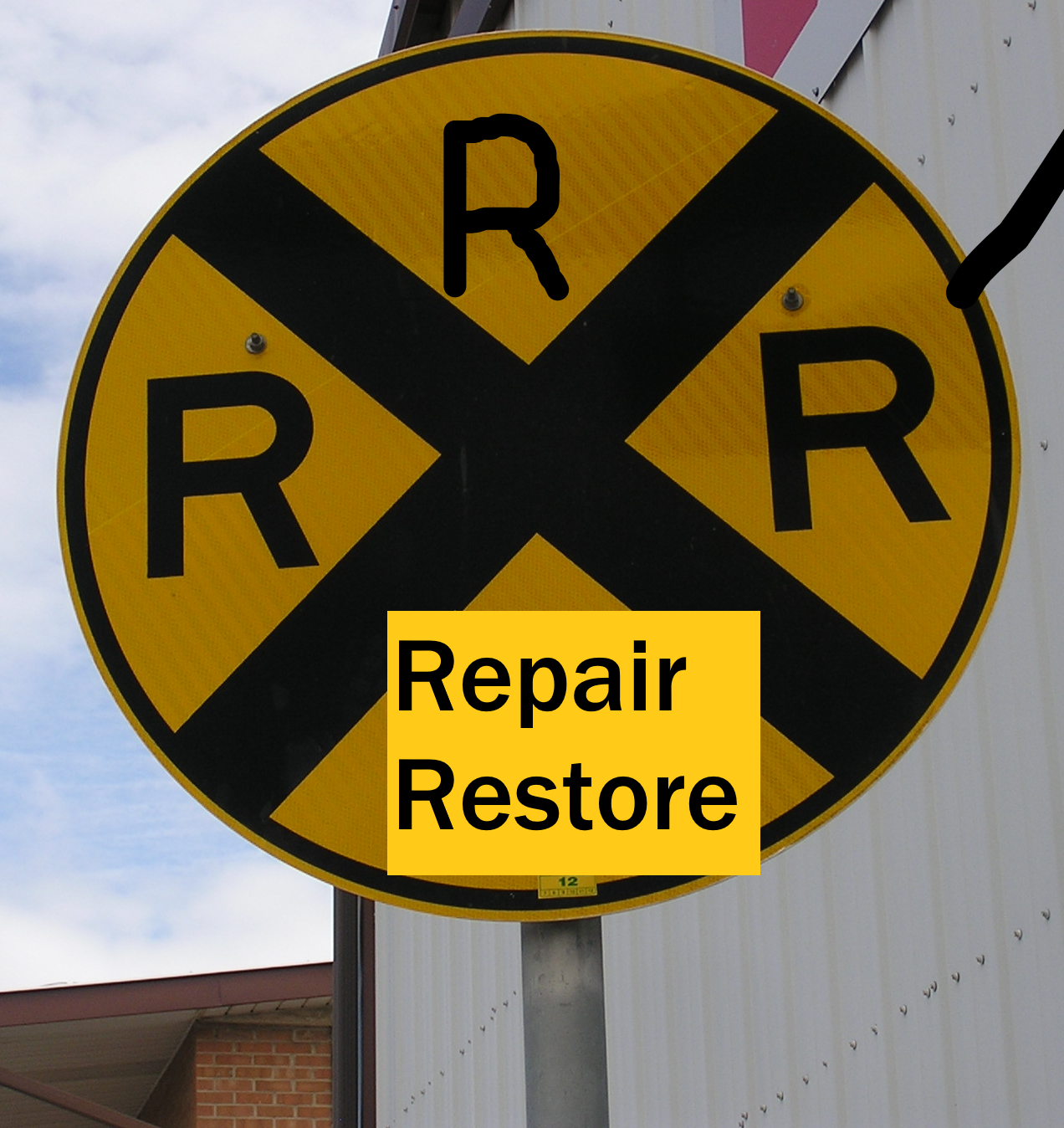
#3 Repair damage, Restore what you can. Apologize when you can.
Jesus urged his followers to see the value of keeping in good relationship with others. He said, if you are walking into church to give God an offering and suddenly remember that your friend has something against you, stop in your tracks, turn around and go get things right with your friend. Then come back and give your offering to God. Right relationship with others is our first order of business. Matthew 6:23-24
Jesus also taught, “Settle matters quickly with your adversary who is taking you to court. Do it while you are still together on the way”. Make amends, apologize quickly. Matthew 6:25
Sometimes we can repair damage or restore items directly to the person we hurt. Sometimes this is not possible and we need to seek more creative ways to repair, restore, and apologize.
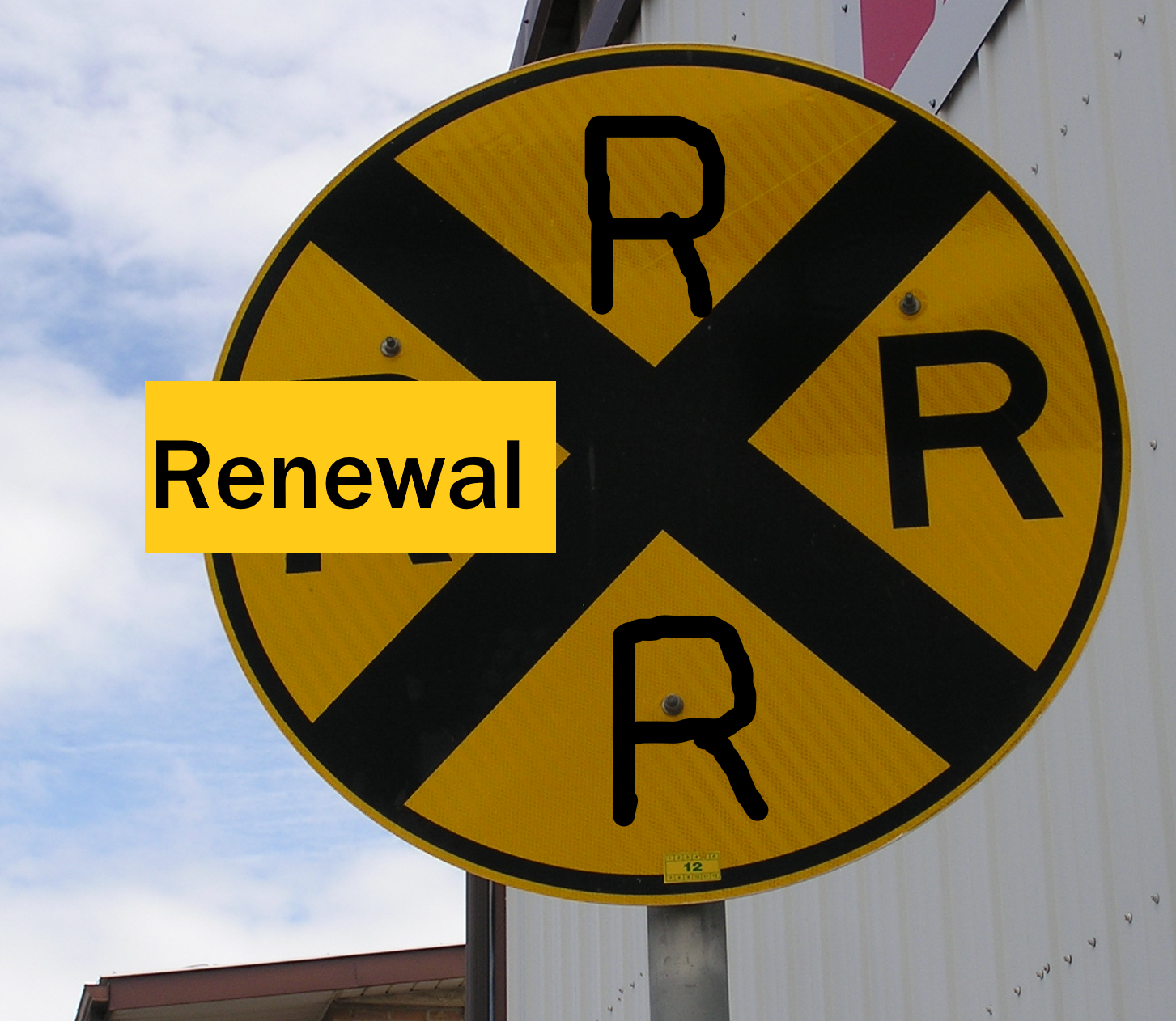
#4 Renewal
We pray, “Forgive us our offenses” Matthew 6:12
Ask God’s forgiveness, forgive yourself, let go, and leave it with God. We trust in God’s loving help to keep us on the right path of no repeats.
This renewal involves a release. We ask God to release us from the guilt of our offense and we choose to release ourselves.
We choose to let go of our negative emotions, thoughts, and behaviors and replace them with positive emotions, thoughts and behaviors towards ourselves.
For some of us, involving others in this step of release is helpful. Inviting others to listen to our story/confession of guilt and then pray with us is a good tool for release.

Soul Sculpting Project: When I Need to Forgive Myself
Use the 4 R’s to work through the process of forgiving
#1 Responsibility: Recognize that You did it. Own it. Accept guilt and use its energy to move forward.
#2 Research: Put on your lab coat. Ask: Why did you do it? What were your motivations? What were the circumstances? Explore the topic of false guilt. What is my degree of guilt here?
Learn from your research. Make a plan how to not repeat the action.
#3 Repair, Restore, Apologize when you can.
#4 Renewal: Ask God’s forgiveness, forgive yourself. Let go, and leave it with God. Trust in God’s loving help to keep you from repeating the offense.
After some work, I was able to forgive myself for killing our dog. I have not forgotten the offense. I do not condone or dismiss the offense. I have a plan to help keep offenses like that from happening again, but I know I will continue to make mistakes and will continue to need to forgive myself. I’m a fallible human. The next time guilt comes to visit me, I will celebrate its arrival and get to work with these 4 Rs.
Warning label:
There is one down side of forgiving ourselves. Researchers find that forgiving ourselves tends to encourage us to have less empathy for those we have hurt.
Empathy: The ability to understand and share the feelings of another.
The solution: Be aware of this tendency and after we forgive ourselves, actively seek to understand and share the feelings of others. Step into their shoes.
My gratitude to the many researchers and writers on the topic of forgiving myself.

 soulsculpting