The Important Business of Rest and Recovery: Soul Sculpting Project
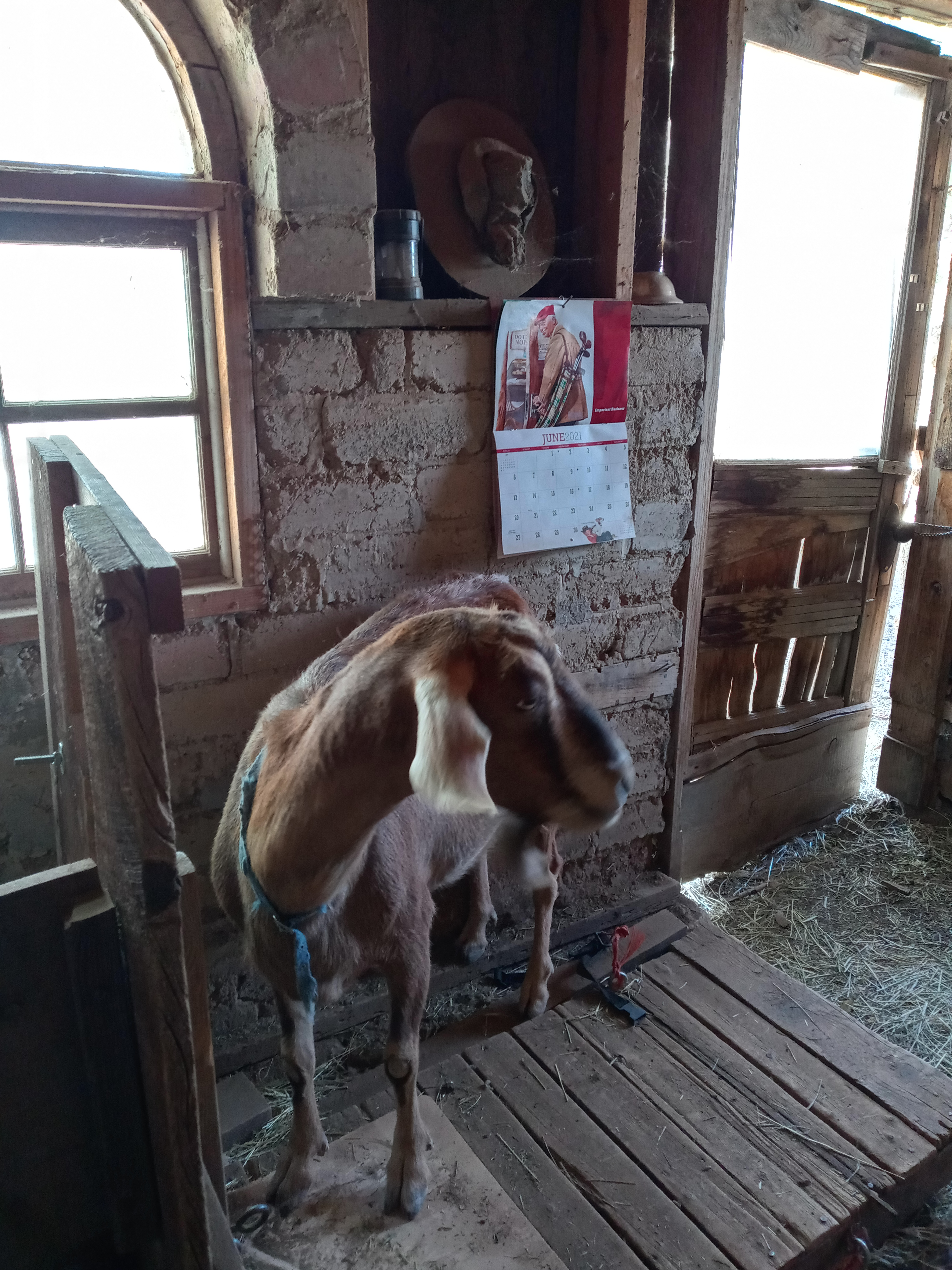
As I was milking Bridget in the barn I glanced up and noticed the Norman Rockwell calendar picture for the new month.
A businessman was locking his office door with a mischievous smile on his face. The sign he had left said,”Gone on important business”. A plaid bag of golf clubs was strapped to his back.
Is taking time to rest and play “important business”?
Researchers who explore this topic would respond with a resounding, “yes!” In fact, they say rest and play are an essential part of doing good business.
Work of all kinds is taxing on our body and mind.
How does work or daily activities tax your mind or body? This depends on what you are doing.
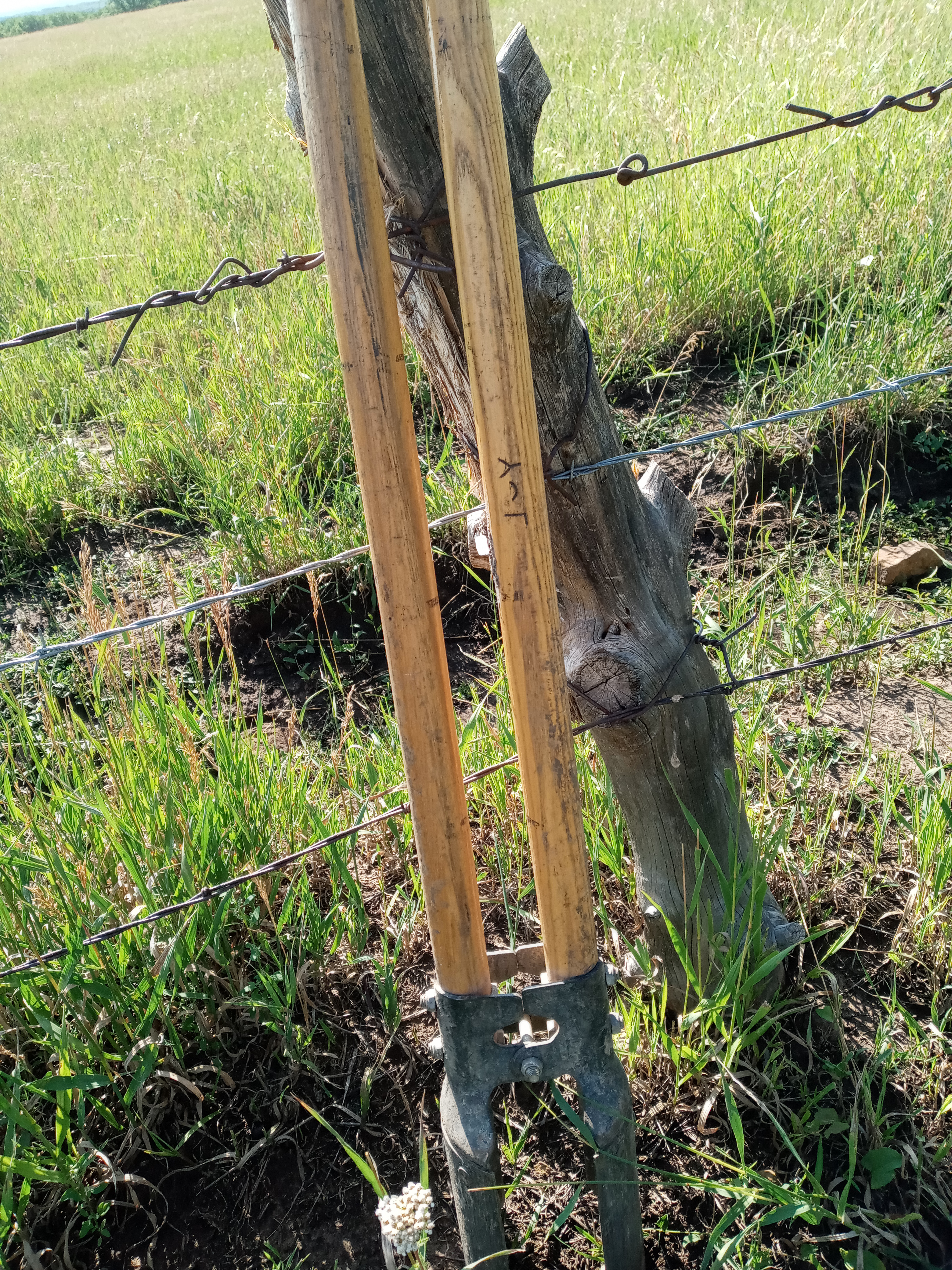
Yesterday my husband Evan spent the morning repairing a section of fence. He jacked out broken cedars, dug deeper holes through rocky ground, and filled these new holes with sound cedar posts. This was not mentally, emotionally, or socially taxing for Evan, but it was physically taxing.
I have friends and family who work with a Wilderness Therapy Program. They spend eight days hiking, camping, and counseling youth in the wilderness. Then they have six days off. Those eight days are mentally, emotionally, socially, and physically taxing.
What can they do in those 6 days off to recover and be ready to return and help these youth in the wilderness?
What is the best way to recover from the demands of our work?
For over 20 years Sabine Sonnentag and her colleagues have been exploring this question and they have some answers for us.
Four Techniques for Recovering Our Well-being
#1 Recovery Technique: Detach
Ever noticed how our body can leave an event, but our mind stays behind?
What happens in our body when our body is in one place while our mind is in another place?
Our body listens to our mind.
Our body continues to send hormones and other responses appropriate to the story our mind is telling.
If we’ve had a difficult day at work and if we come home and continue to mull over those difficulties, our body systems will continue to be taxed in the same way they were at work. These systems will not have a chance to recover.
Recovery Technique number one:
- Do activities that help your mind tell a different story and detach.
Play chess or ping pong, read a good book, build something, romp with kids, explore a new location . .

#2 Recovery Technique: Control
Control: The ability to choose between two or more options.
A sense of control is important to humans.
When we experience a sense of control, our happiness and well-being increase.
Studies find that women who do not have a sense of control at home have a greater likelihood of depression. Men who do not have a sense of control at home have an increased likelihood of both depression and anxiety.
Recovery Technique number two:
- Create situations where you have choices and control of the choice.
#3 Recovery Technique: Mastery
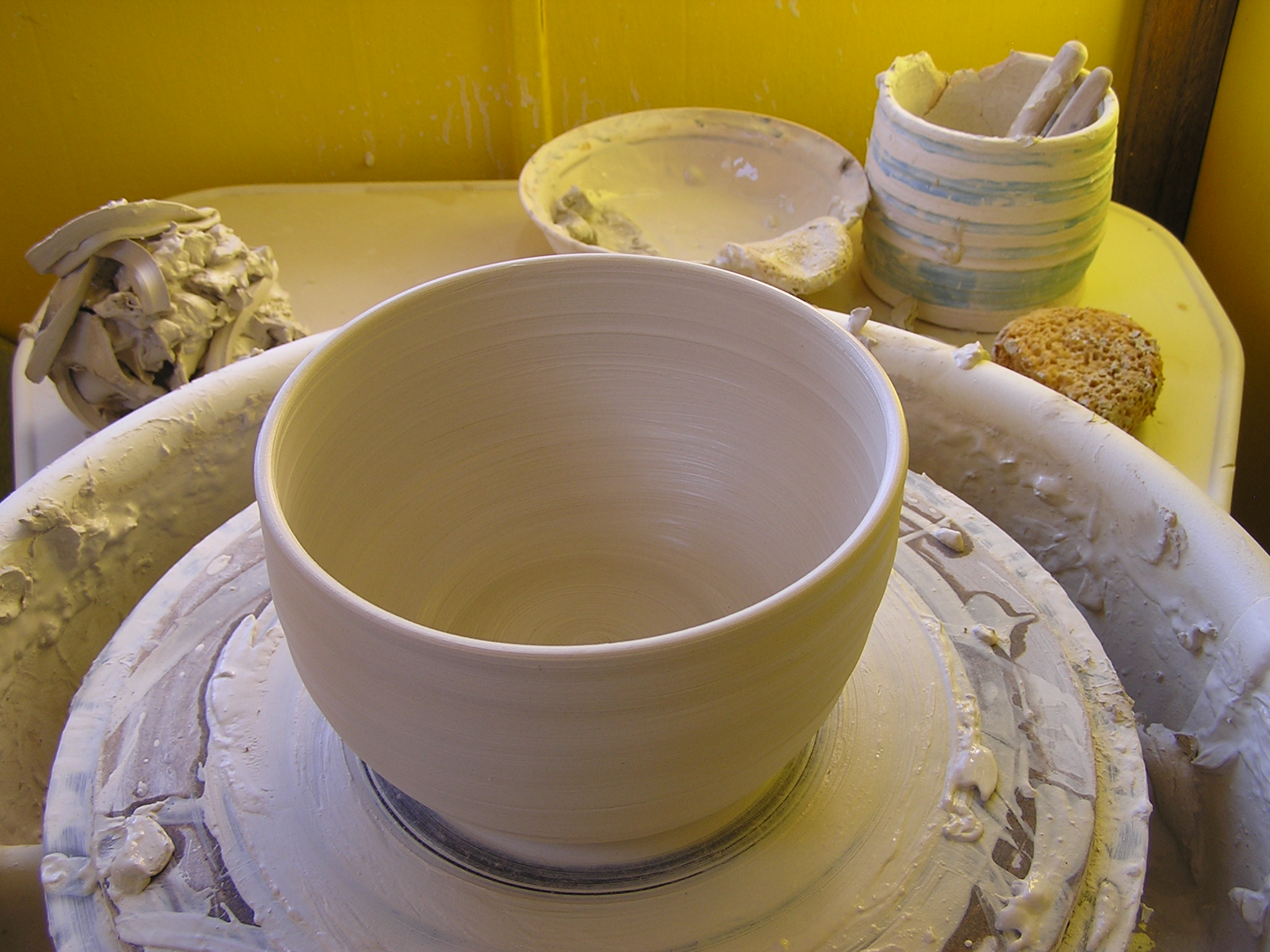
Mastery Activities are challenging activities where we experience a degree of proficiency and competence. These activities are ones where we may already have a high level of skill, such as playing the bassoon or making pottery. Or these activities may be something we wish to become skillful at, such as learning French or kayaking.
Mastery experiences distract us from our day-to-day job and provide a way to detach positively.
Recovery Technique number 3:
- Schedule some time for a favorite Mastery Activity.
#4 Recovery Technique: Physical Movement
Getting active, especially aerobically, promotes positive emotions. Study after study confirms this finding.
Our bodies are designed to move. When we move them, our bodies reward us by releasing feel-good chemicals. These chemicals encourage us to create positive emotions and the resulting positive emotions are a significant contributor to our recovery.
Recovery Technique number 4:
- Move your body, get active.
Tips:
- Active leisure such as taking a walk is more restorative than passive leisure such as watching television.
- Being always plugged into a device which makes you available is detrimental for detachment.
So what about Norman Rockwell’s businessman? Was he doing important business at the golf course?
Well, was he detaching from work? Probably.
Was he experiencing control of his choices? Certainly.
Was he getting active with his body? Yes.
Was he experiencing mastery? That may depend on how good he was at golf, but even if he wasn’t very good, perhaps he was learning a Mastery Activity.
So, I would say, “yes”, Norman Rockwell’s businessman was off to important business.
The idea of taking intentional time to rest goes way back.
Thus the heavens and the earth were finished, and their multitude. And on the seventh day God finish the work that he had done, and he rested on the seventh day from all the work that he had done. So God blessed the seventh day . . . Genesis 2:1-3

Soul Sculpting Project: The Important Business of Rest and Recovery
After a day of work try out one of these techniques for recovery.
- Recovery Technique #1 Do activities that help your mind tell a different story and detach.
- Recovery Technique #2: Create situations where you have choices and control of that choice.
- Recovery Technique #3: Schedule some time for a favorite Mastery Activity.
- Recovery Technique #4: Move your body, get active.
Gratitude for the work of Sabine Sonnentag, her colleagues and the many other researchers who have explored this topic.
Sabine Sonnentag: Professor of Work and Organizational Psychology, Department of Psychology, University of Mannheim, Germany

 soulsculpting