Soul Sculpting: Four Mind Training Methods for Getting Out of the Bog of Negative Thoughts
What happens when we let an untrained dog roam free?
Sometimes nothing much happens. Other times the dog wanders in a helpful way, like wandering over to the chicken yard and scaring off a hawk.
The rest of the time the untrained dog wanders into trouble.

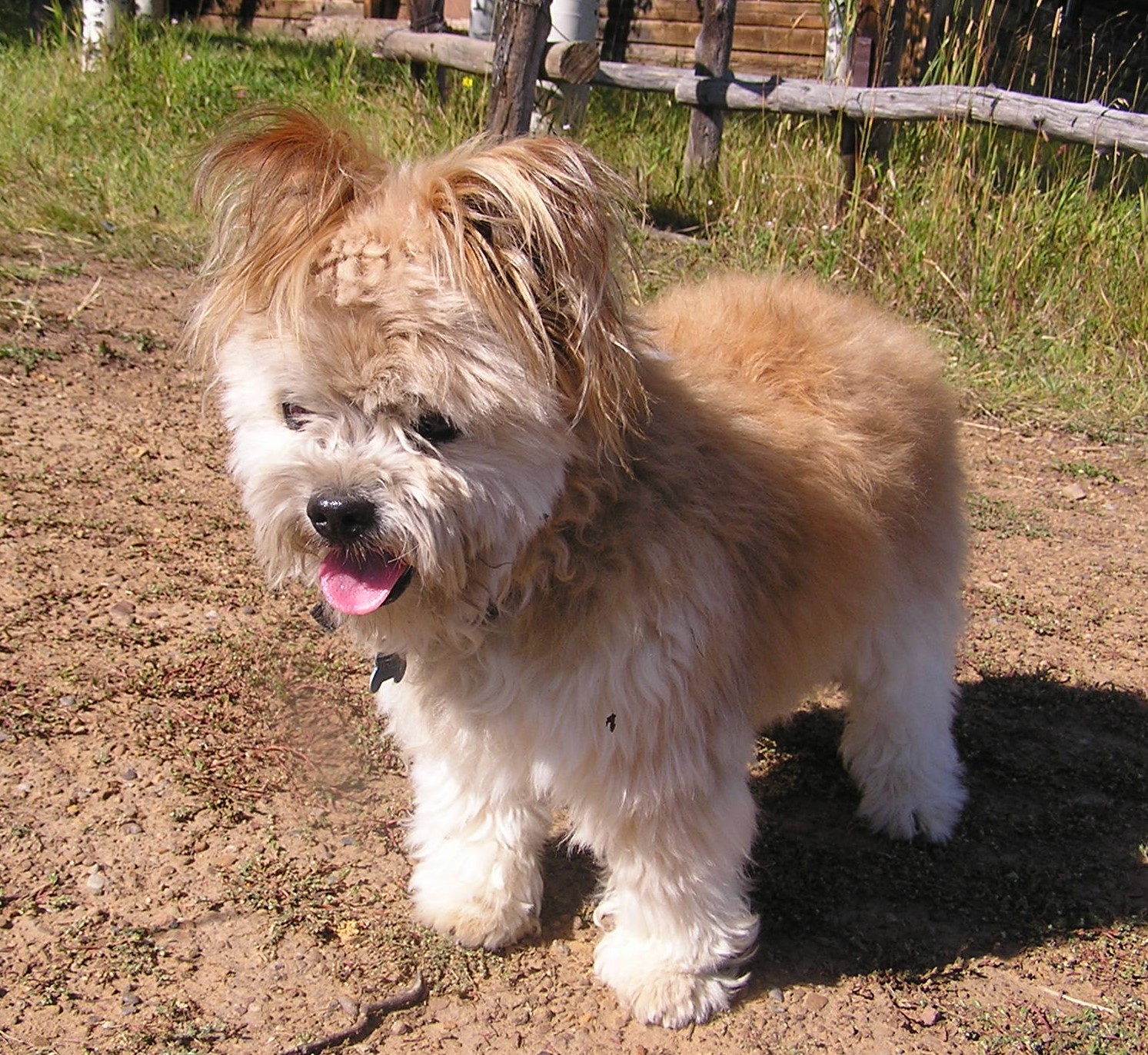
Ludwig was a really cute, poorly trained dog. When I took him on walks he would have to be leashed or he would take off to regions unknown.
Sometimes these wandering escapes turned out fine. Other times these wanders resulted in hours of pulling cactus spines out of his cute face, trips to the vet after he wandered into another dog’s world and took a beating, phone calls to neighbors “Have you seen Ludwig?”, and many hours searching on foot or slowly driving roads looking for Ludwig.
What happens when we let an untrained mind roam free?
Sometimes nothing much happens. Sometimes the mind wanders in a helpful way, like wandering onto a great solution for a tricky problem.
Other times the untrained mind wanders into trouble.
The Bog of Negative Rumination
Negative rumination – when our mind is caught in a loop of negative thinking. A continual retelling of a bad story-line. Rehashing of a problem without finding solutions.
I wander into these bogs when I have a problem that feels important and I have no solution.
Our mind, body, spirit, — and friends– suffer when we live in the bog of negative rumination.
Q. How do we get out of the bog?
A. Train our minds
Ludwig’s training was my responsibility, not his. It feels the same way with my mind. The training is my responsibility. It is my mind.
Four Mind Training Methods to Get Out of the Negative Thoughts Bog
All of these methods work best in the company and power of God’s Holy Spirit
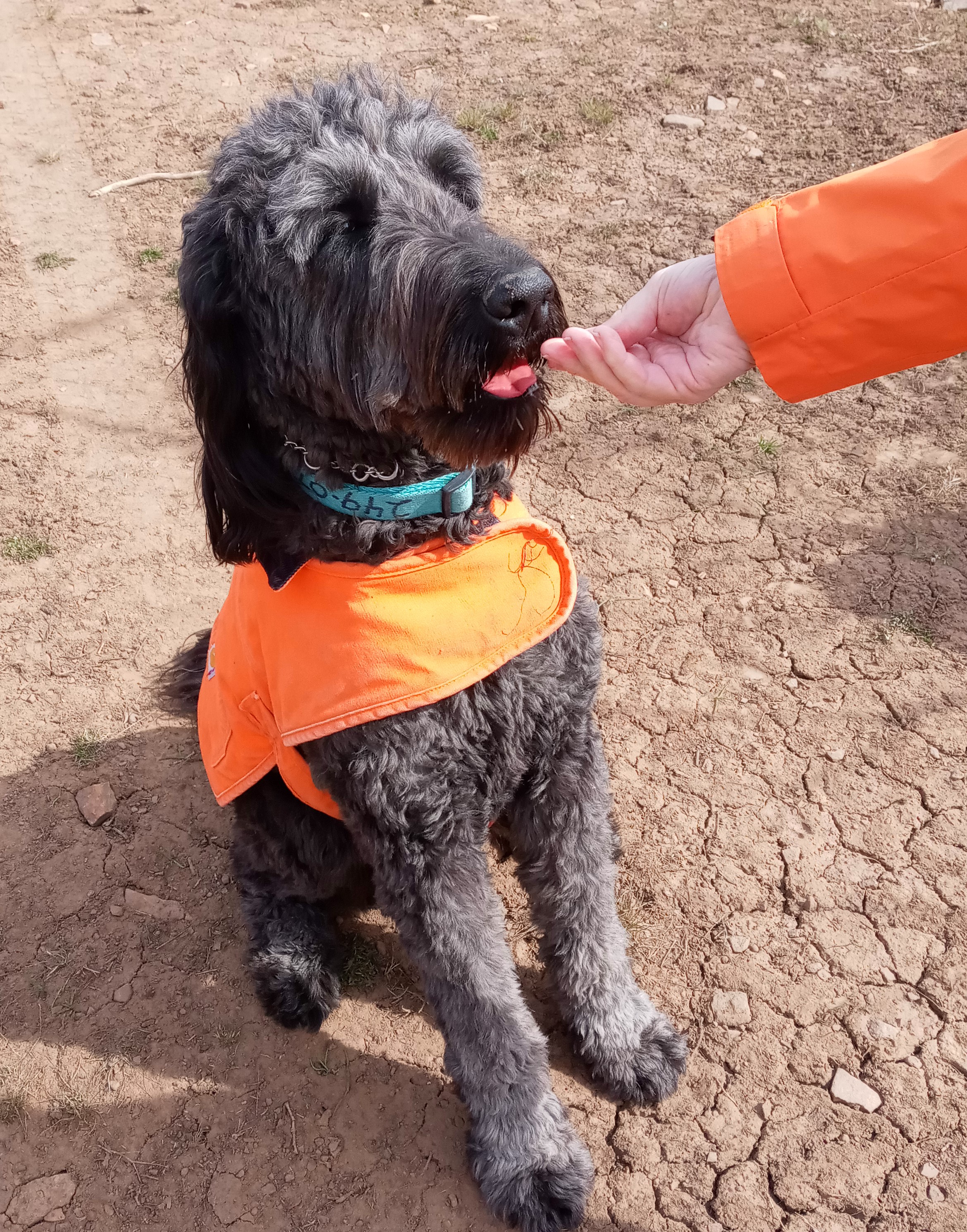
#1 Stop / Drop It and Shift Attention
- When your mind gets stuck in unhelpful thought patterns use a hand signal and say “Stop” or “Drop- it”
Hand signal ideas:
- Clap
- Palm out
- Pointed finger
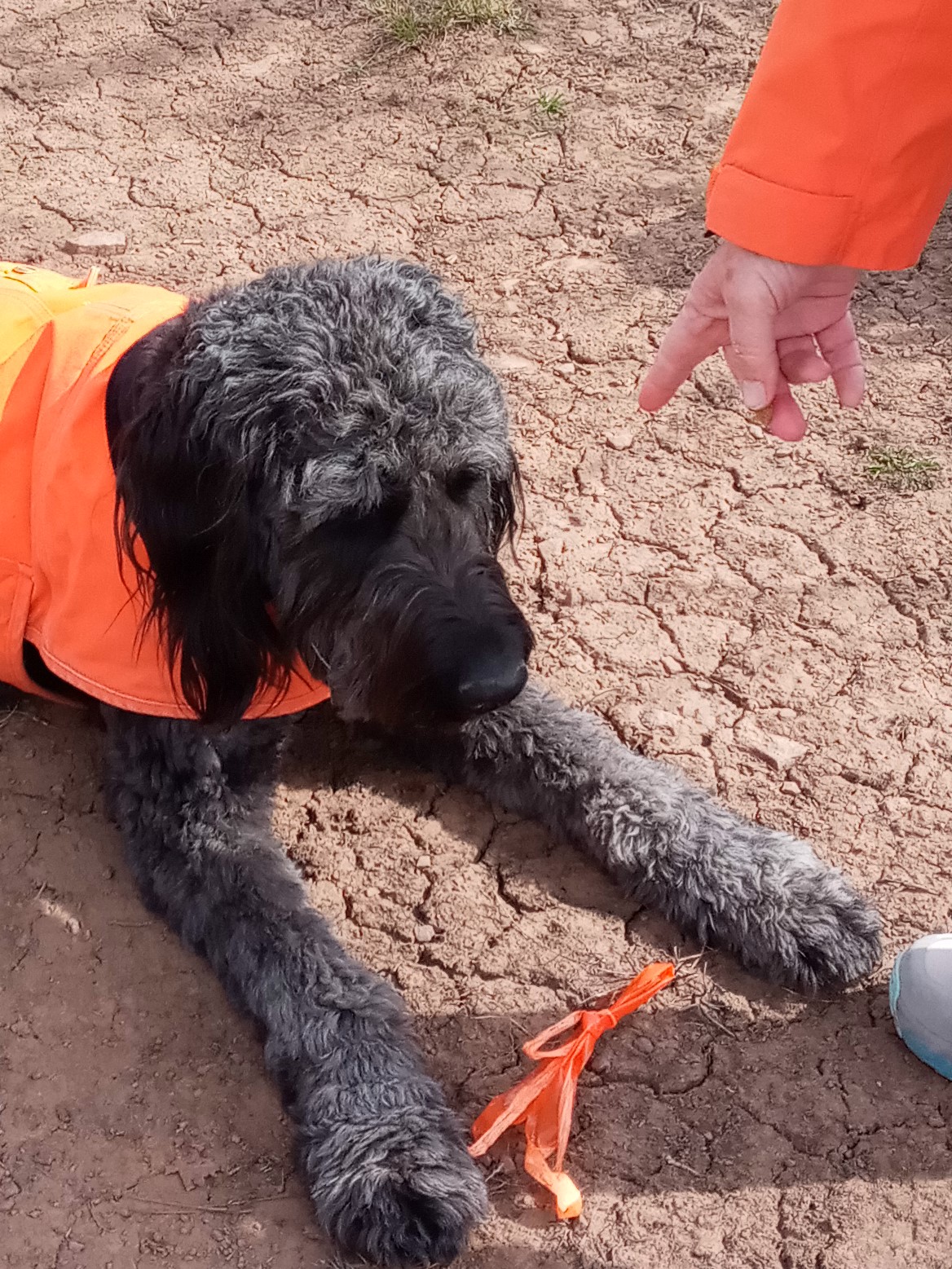
- After you have said “Drop it” or “Stop”, offer your mind something better to chew on.
Ideas to chew on:
- Focus attention on something around you — your hand, a picture, the sky.
- Focus attention on a Scripture or memorized phrase.
- Focus attention on something that is “noble, right, pure, lovely, admirable, excellent or praiseworthy”
#2 Reschedule Thoughts
When an unhelpful thought pattern comes, decide to set it aside for a scheduled time, e.g. 2:30 to 3:15 this afternoon. Then at 2:30 invite God to join you as you ponder the topic. At 3:15 stop the thinking and reschedule again, if needed.

#3 Journal It
- Invite God to sit with you.
- Write down your thoughts and offer them to God. God listens, no matter what they are.
- Invite God to speak to you. Write down anything that feels from the Spirit of God. Bring this to a wise friend, if anything is at all unusual.
#4 Get Outside into Nature
Research finds that when we relocate to a beautiful natural setting our brain shifts out of a rumination mode into a present sensory experience mode.

All four of these methods have worked for me. I don’t think Ludwig spent much time in the bog of rumination but, he would have fully endorsed method #4 and suggested you spend most of your days wandering in nature. Just watch out for the cactus.
Gratitude for the Learned Optimism research of Dr. Martin Seligman and Nature/brain research of Gregory N. Bratman et al, Stanford.
 soulsculpting