Practice #6 of Seven Ancient Christian Practices for Connecting with God
Soul Sculpting Project: Make a Tiny Location Change
Jerusalem 384 AD
A woman of boundless curiosity. Egeria was on an epic pilgrimage. She now knew how the color of the Atlantic waters differed from the color of the Red sea waters. She had climbed Mt. Sinai and visited with monks in the tiny church on its summit. She explored the holy sites of the Holy Land and all the while kept careful records to mail back to her “sisters”.
Now on March 17, 384 at 5:00 in the evening Egeria found herself on the Mount of Olives. This was Palm Sunday, the beginning of “The Great Week”. Egeria was sitting with a large crowd of Christians in the very place from which Jesus had ascended, many years ago.
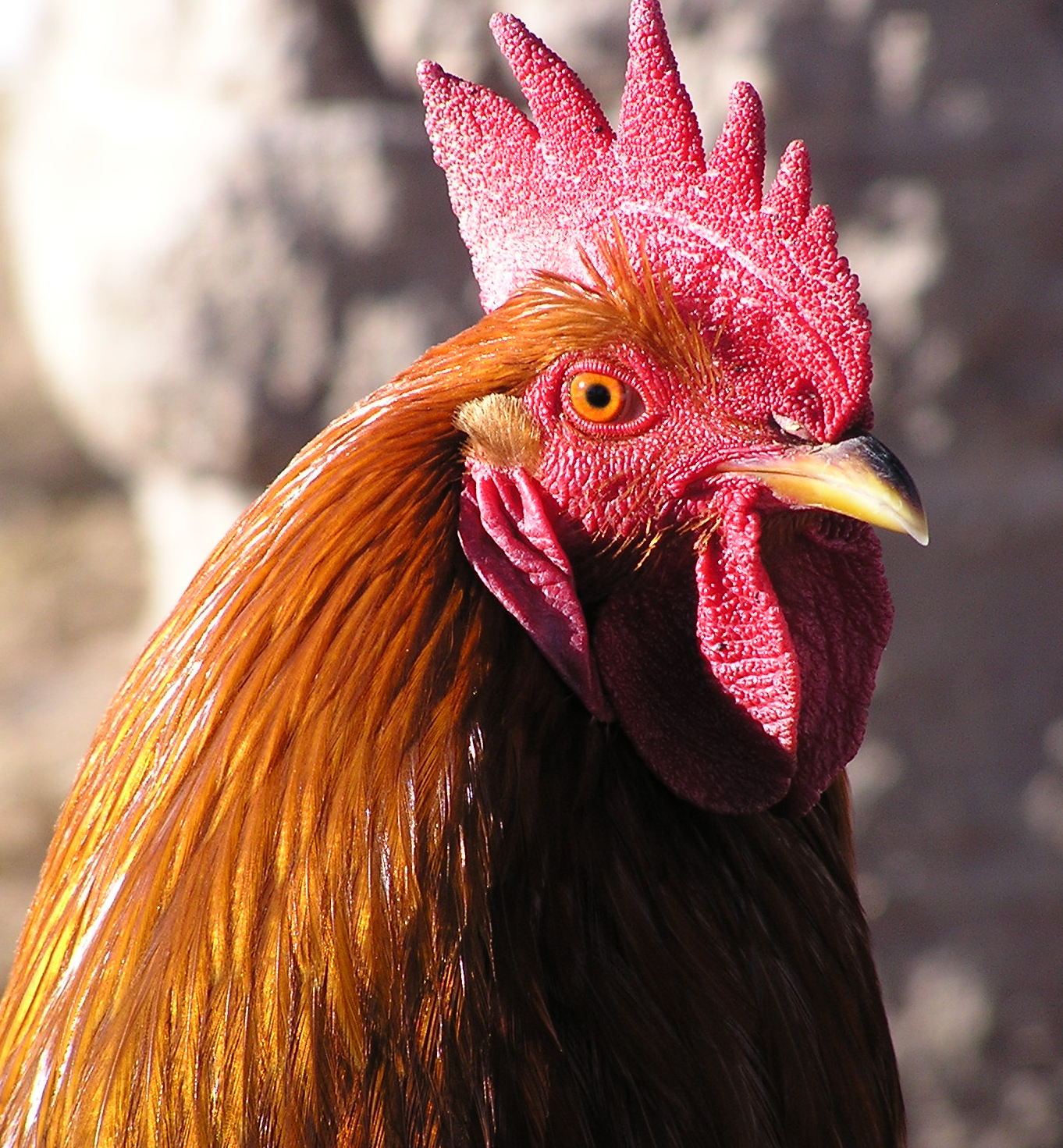
This had been a long day of services. The first one began in the dark when the rooster crowed. This service was at the Martyrium, the main church located on Golgotha, the hill where Jesus died. The predawn hours were thick with incense, prayers, and Scripture readings. At dawn the next service began. This second service was dominated by preaching and teaching. Egeria said “ the object of having this preaching every Sunday is to make sure that the people will be continually learning about the Bible and the love of God.”
Second service finished in time to go home and grab a quick lunch. Then Egeria was back climbing up the Mount of Olives to attend a special 1:00 service at the Eleona. The Eleona was a church built around a cave where Jesus taught his disciples. At 3:00 Egeria and the crowd left the cave church for a new location on the Mount, an open air place where Jesus had ascended to the heavens. In this new location everyone sang hymns, listened to readings from Scripture, and prayed.
Now at 5:00 P.M. a deacon stood read to the crowd:
“They brought the colt to Jesus and put Him on it. As He went along, people spread their cloaks on the road. When Jesus came near the place where the road goes down the Mount of Olives, the whole crowd of disciples began to shout joyful praise to God for all the miracles they had seen: ‘Blessed is the king who comes in the name of the Lord!’”
Here is the letter that Egeria wrote to her sisters to describe what happened next.
“At this the Bishop and all the people rise from their places, and start off on foot down from the summit of the Mount of Olives. All the people go before him with psalms and antiphons all the time repeating ,”Blessed is He who comes in the name of the Lord.” The babies and the ones too young to walk are carried on their parents shoulders. Everyone is carrying branches either palm or olive, and they accompany the Bishop in the very way the people did when once they went down the hill with the Lord. They go on foot all the way down the Mount to the city, and through the city to the Anastasis, (the cave where Jesus was buried and rose from the dead) but they have to go pretty gently on account of the older women and men among them who might get tired.”
When Egeria and the crowd arrived at the Anastasis they had another worship service and then finally headed home for the night.
Location
How many locations did Egeria visit on that Palm Sunday? By my count it was 5 services in 4 different locations. How did the change of locations change Egeria’s worship experience? These particular locations were rooted in historical events. Did those events loom large for Egeria in each location?
A pilgrimage, like Egeria’s, is all about changing locations.
How does changing location affect us?
If you are a one of the Vietnam vets who returned to the U.S. addicted to heroin, the change of location meant that there was a 95% chance that you would of stay off the substance for your first year back. People who do not change location have only a 10% rate of avoiding relapse in their first year off heroin.
A change of location changes the way our brain works. Our brains operate by making predictions. This function of prediction is clearly seen in sports. When we see a tennis ball coming towards us, our brain predicts where it will be so we can position our racquet to meet it. Our brain not only predicts in tennis games, but in all of life.
Our brain is always on the look-out for clues to decide what to predict next. Location is a significant clue to our brain. When we see, smell, and hear the familiar our brain predicts the familiar. And our behavior and emotions then follow the familiar patterns.
When we are interested in changing our behavior or emotional patterns, changing location is one tool we can employ.
If we are interested in learning and growing in new ways, a new location can assist us.
If we want to experience connection with God in a fresh way, a fresh location can help.
Location changes can be large like Egeria’s pilgrimage from “the other side of the earth” or smaller like Egeria’s four location Palm Sunday or even tiny. We can move our chair to a new window and open a new world.
Could a change of location help you thrive or connect more deeply with God?
Soul Sculpting Project: Make a Tiny Location Change
- Experiment this week with a small change of location
Ideas:
- Sit in a different chair.
- Rearrange some furniture.
- Drive to a familiar place with a new route.
- Take a walk/hike in a new location.
- What do you notice when you make this change?
Next week we will join Egeria as she experiences a Good Friday and Easter Sunday in the year 384 A.D.
You can read Egeria’s letters about her pilgrimage in Egeria’s Travels (John Wilkinson translator).
 soulsculpting