Soul Sculpting Project: Turning the Mundane into the Sacred with One Ancient Gesture
The Ancient Practice of the Sign of the Cross
Lenten Practice #4
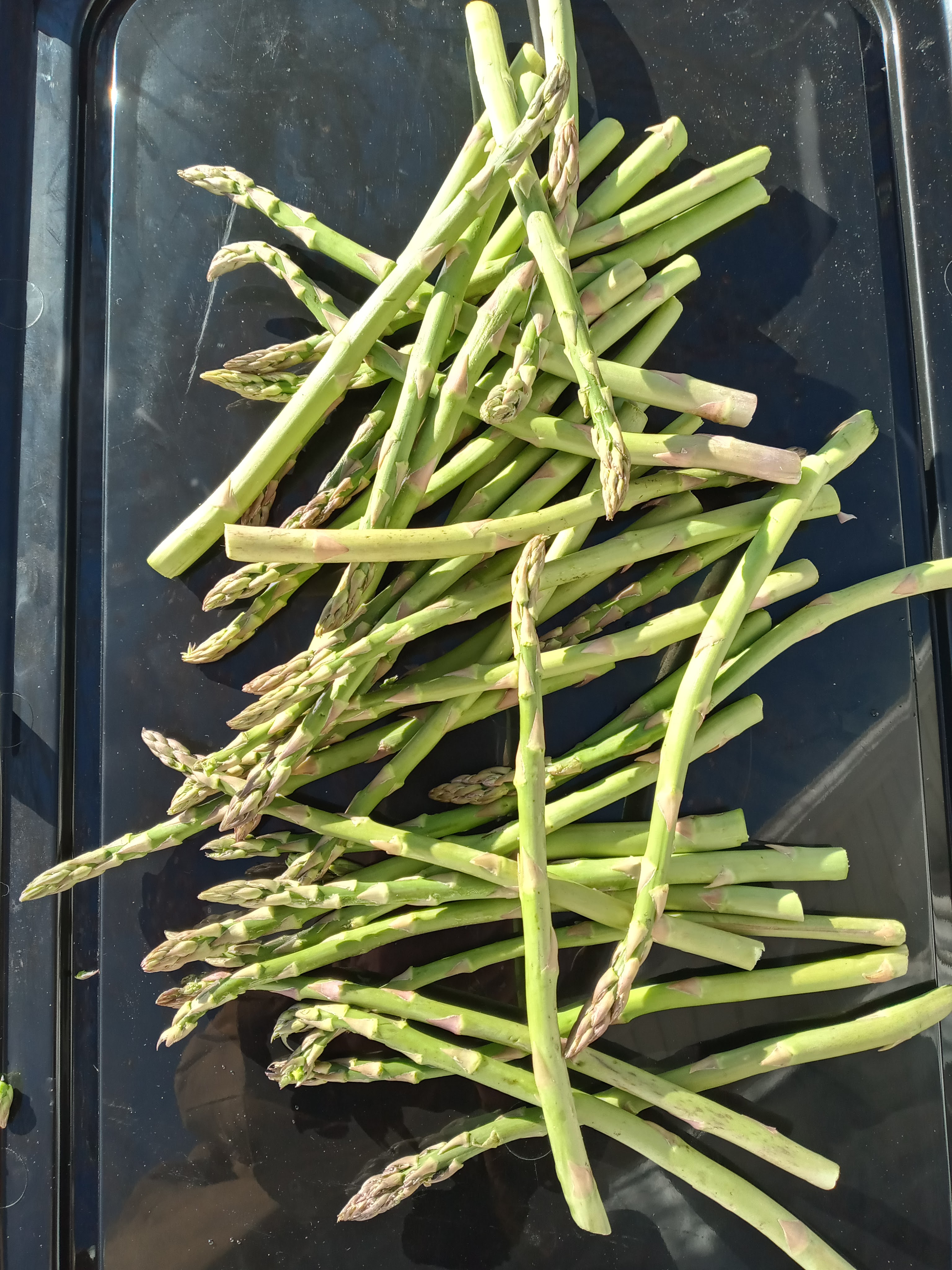
My husband, Evan, spent his college summers doing migrant farm/factory work. He drove combines to harvest peas, quality inspected the seams on cans of corn and sorted asparagus.
To sort asparagus you stand at a conveyor belt as piles of asparagus roll past you. Your job: Take the white bits off the belt, leave the green bits on the belt. It’s long hours of pretty basic work.
As Evan lined up day after day with the other workers on the belt he began to notice a small, repeated spiritual practice of one of the nearby sorters.
This woman was quite short so she used a stool to stand at the belt. At the beginning of the day and after each break the woman would return to her stool. And before stepping up, she would cross herself. Head to heart. Shoulder to shoulder. She was turning the mundane into the sacred.
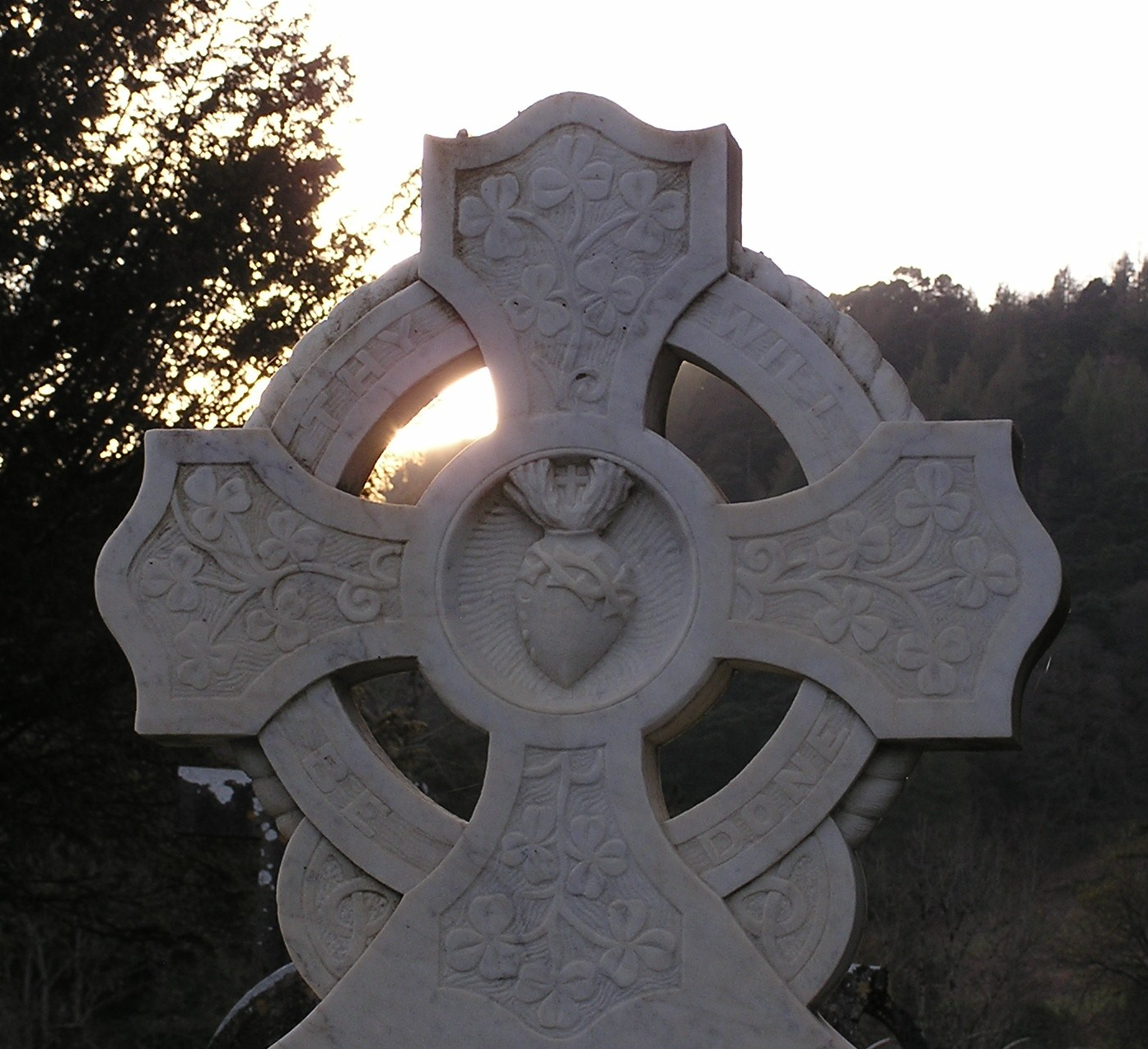
The Sign of the Cross
This woman was taking part in an ancient Christian spiritual practice. Early Christians used this gesture during formal worship times and throughout the workday.
The cross points us to Jesus, especially remembering his crucifixion. The movements of the gesture are associated with the trinity.
How do you make a sign of the cross?
Christians have used several methods. Some draw a cross in the air, some, like the woman at the sorting belt, draw a large cross head to heart, shoulder to shoulder. Other Christians do a more subtle gesture by drawing a small cross. on their forehead with a thumb or finger.
A little history
This gesture began in early church times. In the 200s A.D. Christians used the subtle fingers on the forehead method as a way of ‘sealing’ oneself’. Author and leader Tertullian (b. A.D. 160) tells us:
“At every step of the way, when going in and going out, when putting on our clothes and shoes, while washing, eating, lighting lamps, going to sleep, while sitting down, and in whatever action we are carrying out, we imprint on our forehead the little sign of the cross.”
What happens when we perform a ritualized gesture, like the sign of a cross?
Here are three of the many results:
- Ritualized gestures inform our emotions and identity
Whenever we move, our brain is watching our movement and uses that information to help us choose our emotions and our identity.
Like many ritualized gestures, the sign of the cross is rich in symbolic meaning. The gesture anchors us in this meaning. Our identity is informed. “Ah, this is who I am.”
- Rituals reduce anxiety.
Rituals are strongly associated with anxiety events -performances, tests, life threatening activities. When we are feeling anxious we create rituals that help us feel safe, focused, capable.
Studies find:
- Performing a ritual is more effective at reducing heart rate than actively trying to calm down. (Alison Wood Brooks et al.)
- People who recite the Rosary tend to feel less anxiety and recover faster from grief than those who do not. (Ahler &Tamney, 1964)
- Ritualized actions improve performance.
We see athletes use rituals for this purpose.
- Basketball players who use pre-shot rituals such as spinning the ball three times and bouncing it once before shooting it, tend to have a higher percentage of successful free-throws than those who do not (Czech, Ploszay, & Burke, 2004).
- The more elite the athlete the more elaborate the rituals.
You might like to use the tool of ritual for meeting anxiety inducing events in your life. Today we will use the tool of ritualized gesture to meet the mundane events of life.

Soul Sculpting Project: Turning the Mundane into the Sacred
- Pick one or more everyday actions: Doing dishes, getting in a car, sitting down at a desk, getting in or out of bed.
- Make the sign of the cross before beginning.
The woman at the asparagus belt was using an ancient method to connect with God. Her gesture turned the sorting belt into sacred ground. This sense of the sacred spread to a college student working nearby.

May this ancient practice create sacred ground in your world.
 soulsculpting