#3 of Seven Ancient Practices for Connecting with God
Soul Sculpting: The Ancient Practice of Psalm Reading
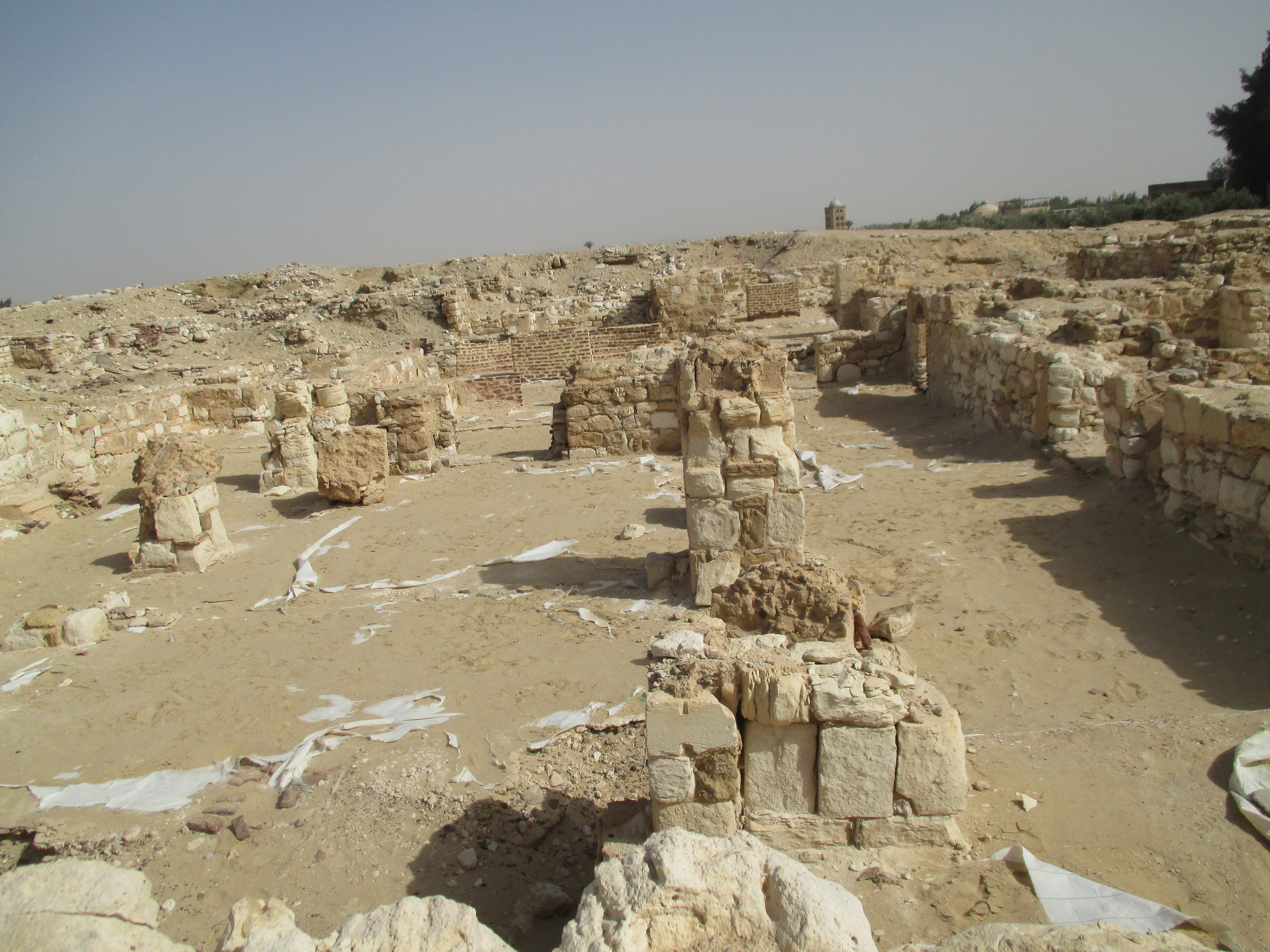
Egyptian Desert of Scete, 384 AD
John Cassian is on a research trip. He is observing the spiritual practices of the large movement that has developed in the remote Egyptian desert: Thousands of men and women who have left civilization and culture to pursue connection with God.
John is impressed. In the world of monks and nuns these are the poster children. John has visited other monks in other regions where the prayers were accompanied by coughs and sleepy yawns. Here in Egypt the monks have attentive, reverent focus and an excellent structure for the service. John is intrigued. How did this come about?
The monks have a story to tell.
One day a group of monks was sitting together discussing how to conduct a worship service. One of them stood up and began to chant the Psalms. His words were clear and even. The monks listened with focused attention. After each Psalm this standing monk would stop singing and briefly offer prayers. He then returned to chanting the next psalm. After the twelfth Psalm this monk disappeared into thin air with an “Alleluia.”
The group sat in wide-eyed wonder. These were clearly directions from God. Since it’s always a good idea to follow God’s directions the monks began to use this pattern of worship:
- Seated attentive listeners
- Standing chanter, with clear, even words.
- Chanted Psalm and brief prayer repeating 12 times.
- Concluding Alleluia
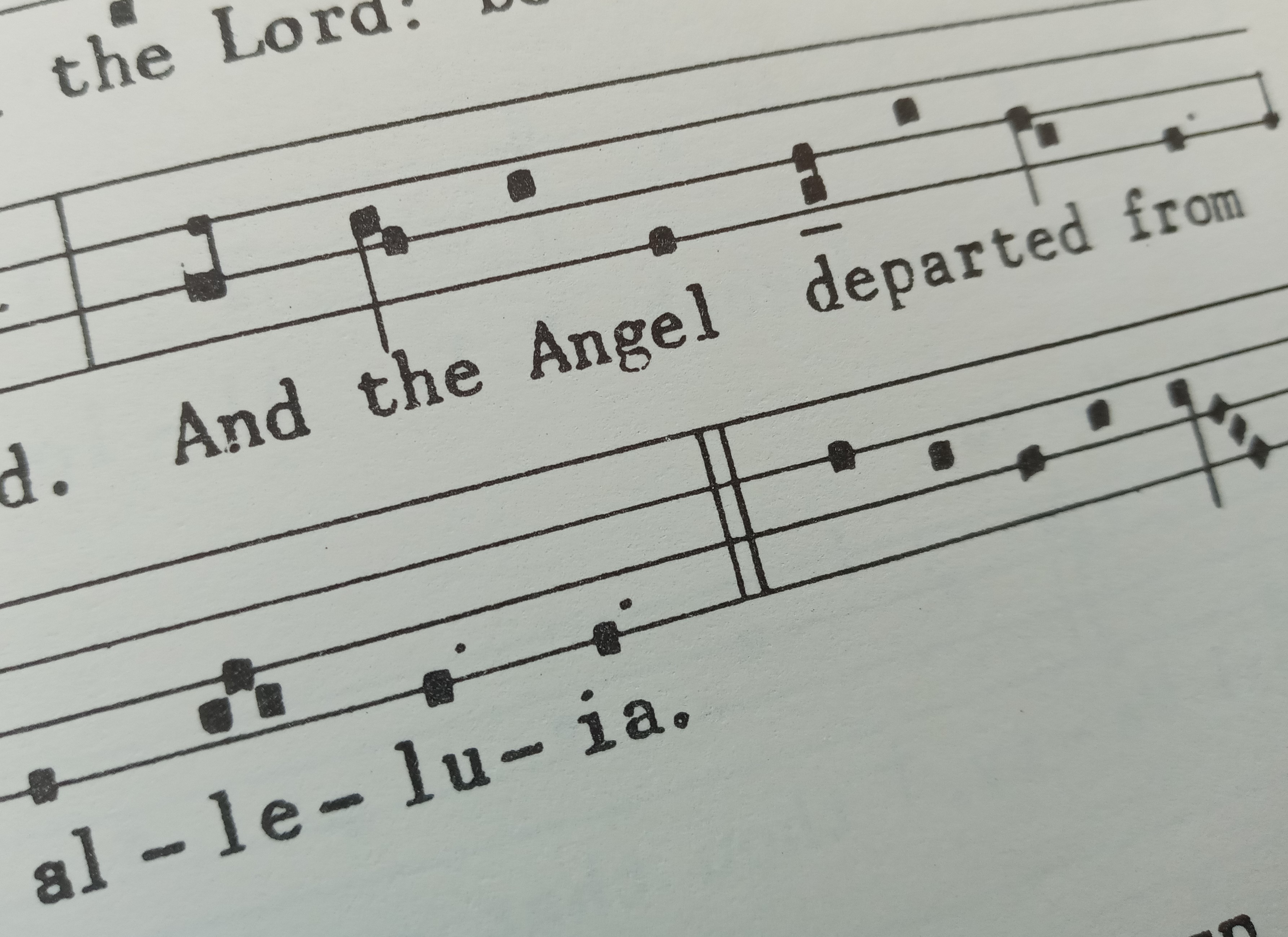
Soul Sculpting Project: The Ancient Practice of Psalm Reading
Alone or with friends try out this pattern of worship.
- Stand up and read or sing a Psalm
- Offer a brief prayer
- Repeat 12 times
- End your time with “Alleluia”
Tips:
- Adjust the number of Psalms to fit your schedule today.
- If you select longer Psalms divide the Psalm into shorter sections.
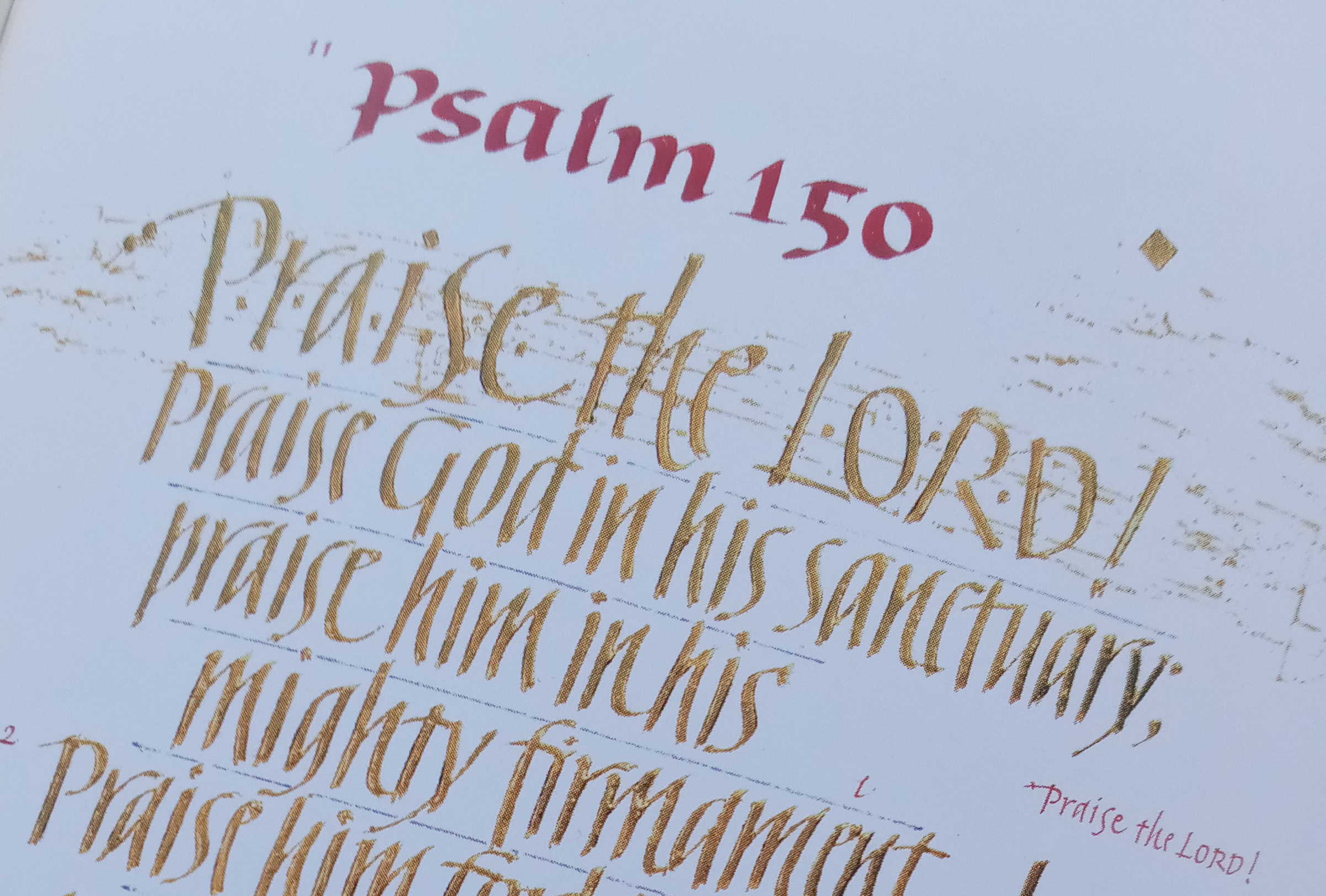
The Power of Words
The advertising on screens that will come our way today is based on the principle that the words we see and hear will influence our behavior.
Can the words of Scripture also influence our behavior?
Researchers find that words:
- Change the structure of our brain
- Release chemicals and hormones that influence our choice of emotions
- Influence our levels of anxiety and depression
- Help us develop resilience, healthy personal relationships, and life satisfaction
Words change our lives.
I have found that the words I choose to think, see, and hear significantly influence my well-being.
Where is God inviting you to be more intentional about the words in your life?

 soulsculpting