Soul Sculpting Project: Making Friends with Stress
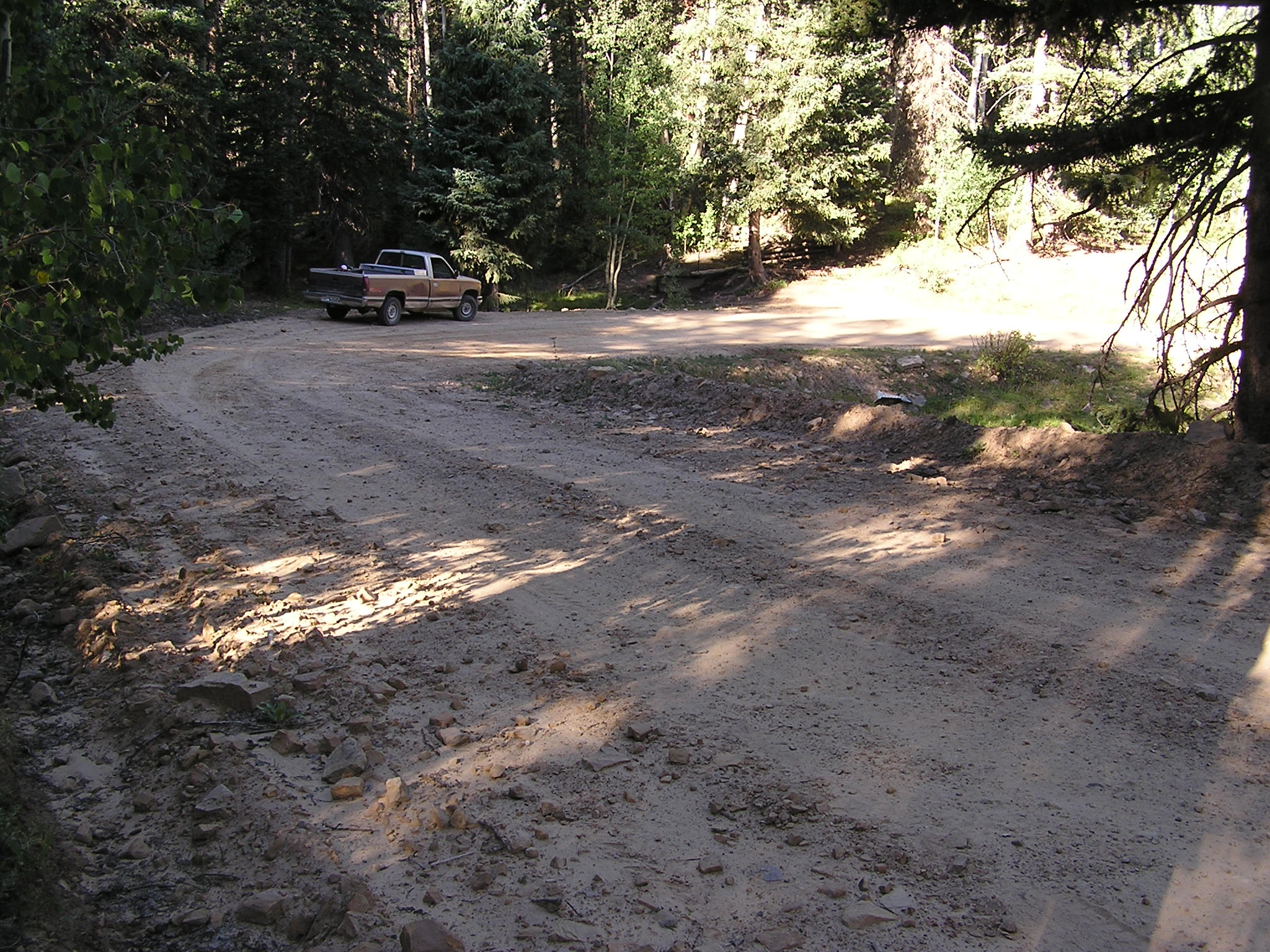
We are at the hairpin turn when I suddenly remember that I forgot the cell phone. It matters. We need to be available to family today.
I turn the truck around. We are 25 minutes into our hour trip to the ranch. My mind quickly calculates the time loss, the work loss. I really dislike back-tracking. My stomach tightens, my frustration level grows, I am filled with negative energy. This qualifies as one of those daily hassle stresses.
What now?
- I can continue down my negative self-talk rabbit trail.
- Or I can dial down my stress response by telling myself, “Calm down, it doesn’t really matter that much. Forget it and enjoy the drive back home.”
- Or I could harness this stress response to my benefit.
I’ve made choices #1 and #2 many times. Of those choices I prefer #2, dial down stress. But lately I’ve been learning that dial down is not always the best choice. So today I decide to try out #3. A new skill for me. Harnessing my stress response and putting it to good use.
What is my stress response good at? Lots of things. Here are the two I remembered in the return drive.
- Our brains are especially good at learning new information during stress.
- Energy produced by my stress response can be used to create helpful results.
As I continue driving back I welcome my frustration and invite it to keep me focused and energized. I redirect my self-talk into problem solving. How can I remember to pack this seldom used phone? I think through options. I make a simple plan: Put a loud note into the top of the lunch box that says, Get Phone NOW! That should prompt me to action as I make lunch for ranch days.
With this plan in place my frustration begins to dissolve. I begin to enjoy the drive. I notice the changing leaves and a woodpecker at work on a roadside tree.
If I had chosen #1- to stay on the negative self-talk rabbit trail or #2- to calm down and just enjoy the ride, I doubt I would have come up with this solution. And the phone problem will more than likely be repeated. (It has happened before.)
I am pleased with today’s experiment of harnessing the energy and learning ability found in my stress response. I am starting to appreciate my stress response and put it to work for me.

What is a stress response good for anyway?
How about: To help us respond well to stress.
Recent science is uncovering new information about our stress response. Stress is not the villain we thought it was.
Stress and Happiness?
To begin with, the happiest people in the world are people who are also highly stressed.
Multi-nation studies find that:
- The higher a nation’s stress index the higher a nation’s well-being.
This means that the higher the percentage of people who report having a great deal of stress in their day — the higher the nation’s:
- Life expectancy
- GNP
- Happiness
- Satisfaction with life (health, work, standard of living, community)
How could stress and happiness go together?
Researchers think it is because higher levels of stress go hand in hand with love, health, and satisfaction with our lives. A stressful life is also a meaningful life.
There’s more than one
Science is also finding that our stress response is far more adaptable and highly skilled than we thought it was.
We are familiar with our body’s Threat Response.
This Fight or Flight Response is excellent for saving our life in threatening situations. It rapidly produces many changes in our physiology that gears us up for action with a focus on survival. For example: We get a shot of adrenaline. Heart rate increases. Blood flow is constricted to protect us from blood loss.
But not every stressor is life threatening. Forgetting the cell phone is not going to create blood loss.
Here are three more of the common Stress Response systems we can choose from. Each response will create unique physical changes in our body to help us respond well.
#1 Tend and Befriend (Seek out connection with others or give care to someone.)
- Oxytocin is released. This helps us have more empathy, trust and increases our desire for connection with others. Oxytocin also inhibits fear so we become more courageous.
2. Dopamine is released. This goes to our reward system to increase motivation, optimism and prime us for physical action. Dopamine also lowers our fears.
3. Serotonin is released. This increases our perception, intuition and self-control.
The Tend and Befriend Response helps us to be socially skilled, braver and smarter.
#2 Challenge Response: (“This frustration is a challenge and I am up for it.”)
This response gears us up for action. The Challenge Response is similar in several ways to the Fight or Flight Response, but has some critical variations. One difference is that instead of restricting blood flow, our blood flow is increased to help us achieve a goal. (This ease of blood flow makes the Challenge Response heart friendly.)
Public speakers who choose the energy and excitement of a Challenge Response speak more effectively than the public speakers who choose to relax. The Challenge Response also heightens our senses, helps us learn from our experiences, and feel more confidant.
#3 Relax /At Ease Response (Turn off our stress response.) This response turns on our parasympathetic system. Sometimes we are just stressing out about nothing important. Much ado about nothing. Deep breathing is one tool for turning off a Stress Response. Give it 90 sec. to clear out the hormones in our system.
Why do we see stress as an infamous villain?
In part, because we are using the wrong stress response for the job. To think of every stressful situation as life threatening is not good for our health. For example, the constriction of blood vessels which helps us bleed less in an accident is hard on our heart. Our body is not designed to live in prolonged Fight or Flight mode.
The solution: Choose the appropriate Stress Response to respond to each stress.
What are your common stressors? Which stress response will be most useful for each?
1. Challenge response ( “This frustration is a challenge and I am up for it.”)
2. Tend and befriend (Seek out care from others, or give care to someone.)
3. Relax, be at ease (Turn off our stress response.)
4. Threat response (Fight, flight)
Soul Sculpting Project: Making Friends with Daily Stress
- Invite God’s wise company. God designed our stress responses and knows all about our stresses.
- Imagine a common stressor.
- Which of the four Stress Response choices will be the most helpful response?
- Next time the stressor comes your way choose that response.
Epilogue:
As we neared the ranch (50 minutes later than I wanted) we met some friends hiking on the road who needed some quick help. We stopped and were pleased to help out. If we had not been 50 minutes late they would not have gotten the help.

May ‘God give us wisdom and knowledge and joy,’ as we choose our stress responses today.
Ecclesiastes 2:26
For more on the recent science of stress see:The Upside of Stress, Kelly McGonigal
 soulsculpting