Soul Sculpting Project: Called to Forgive. But How? Two Steps Towards the Freedom of Forgiveness
A Parable
There once was a king who decided it was time to settle his accounts.
It came at the worst possible time for Pete. A year ago he had been the rich one handing out the loans, but then it all changed. He began to lose money faster than it came in. His debts began to soar. And now, of all times, his biggest creditor was demanding. And to make matters worse his creditor was the King.
Pete kissed his wife and children goodbye and headed off to see the king. When he arrived at the audience room and heard the clerk announce the account record it was a bad as Pete expected. A $10,000,000 debt. When Pete said he couldn’t pay today the king’s response was worse that he expected. The king demanded that Pete sell his business, his home and his family into slavery.
Pete was desperate. He threw himself on the floor before the king and pleaded, “Have patience with me, I will repay it all!
The king felt compassion for Pete and released him from his whole debt. Amazed at this forgiveness Pete left the king and headed back home. He had barely left the castle grounds when Pete ran into John.
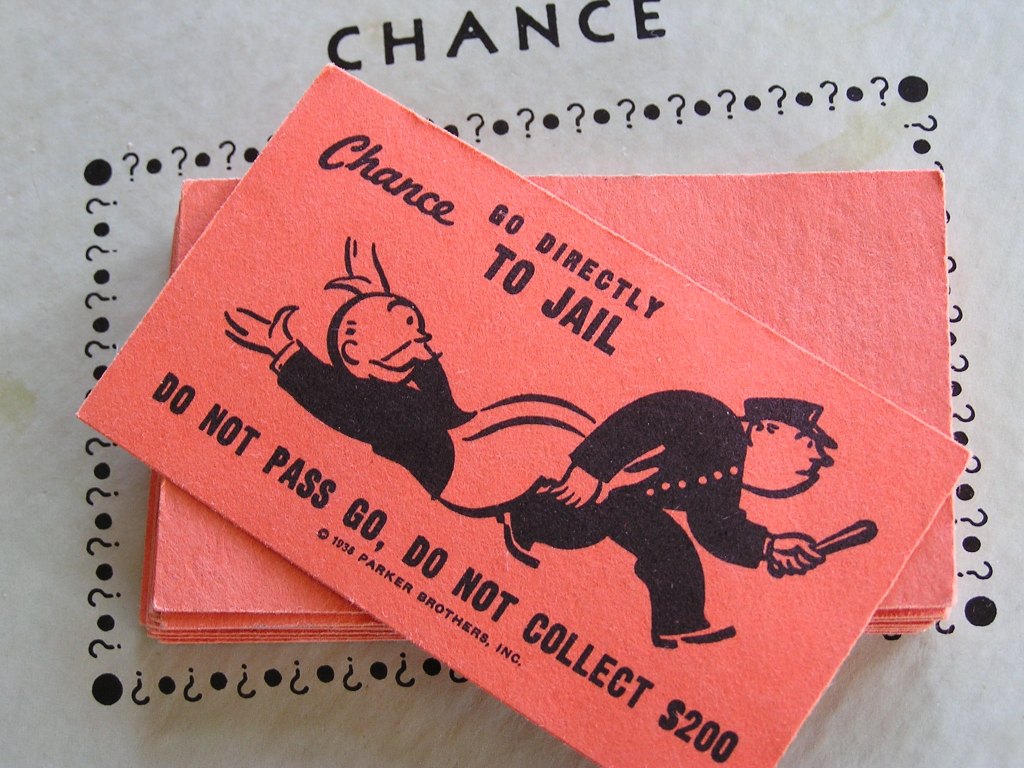
Pete’s mind began to calculate. “John, haven’t seen you in a while. Where’s that $1,000 you owe me?” John panicked, got down on his knees right in the street, and begged Pete for more time to pay. Pete was not going to be moved by this shameless display and sob story. So Pete called for the guards and had John thrown in prison until he could pay.
Unfortunately for Pete, some of the kings servants witnessed this event and took the report back to the king.
The king immediately summoned Pete for a second audience. This one did not go as well as the first. “You wicked man, I had mercy and forgave your enormous debt. And you refuse to show the mercy to forgive a small debt? Then the king had Pete thrown in prison until he could repay his debt in full.

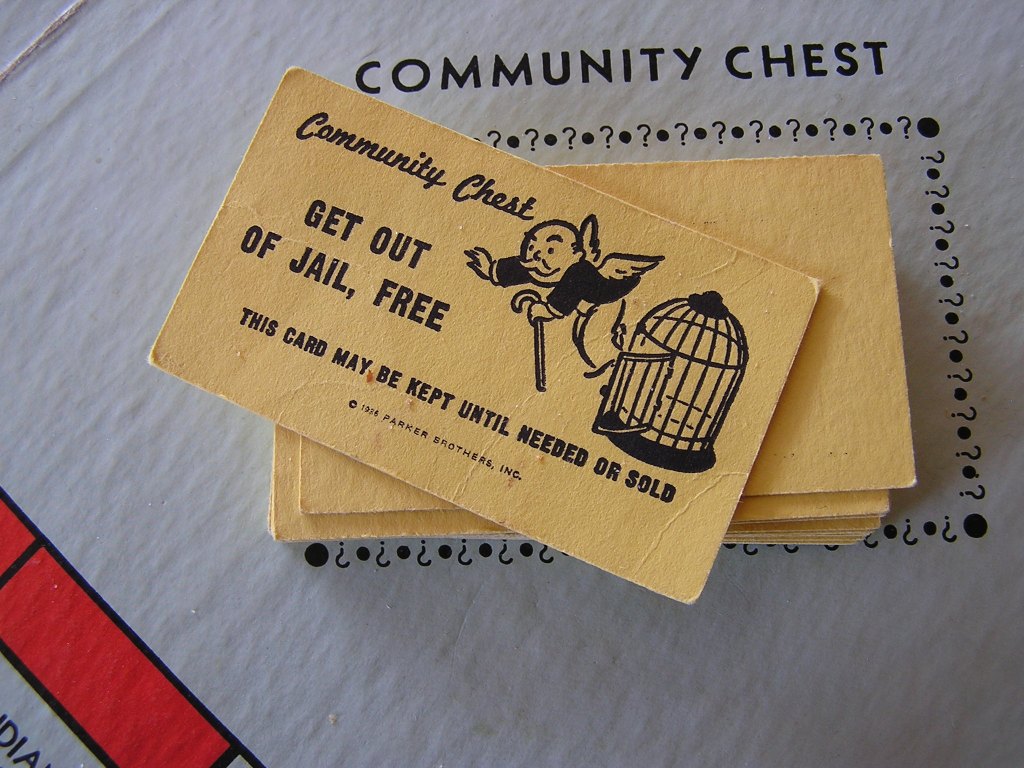
When we do not forgive others we send ourselves to prison.
What kind of prison are we trapped in?
The scientific community has found that the prison of unforgiveness is bad for our mental, physical and social health.
- Socially: unforgiveness creates compromised relationships.
- Mentally: research has found that unforgiveness is related to unhealthy anger. This unhealthy anger is related to increased anxiety and depression. And decreased hope and self-esteem.
- Physically: anger and hostility are linked to a higher risk of heart disease and poorer outcomes for people with existing heart disease.
Multiple studies agree that living in the prison of unforgiveness is detrimental for our mind, body and social well-being.

What is forgiveness?
Let’s begin with what it is not:
Forgiveness is not:
- Forgetting that an offense has ever happened
- Condoning, excusing the wrong by saying, “it’s OK”
- Dismissing, calling the offense insignificant, nothing to take seriously.
- Reconciliation, which requires two people. An injured person can forgive without the offender’s involvement.
- Pardoning is a legal transaction that releases the offender from the consequences of an action. Forgiveness is a personal transaction of release.
Forgiveness is: (Three definitions from psychologists)
- A conscious, deliberate decision to release feelings of resentment or vengeance toward a person or group who has harmed you, regardless of whether they actually deserve your forgiveness..
- One’s merciful response to someone who has unjustly created hurt.
- When a person overcomes negative emotions, thoughts, and behaviors and replaces them with positive emotions, thoughts and behaviors towards an offender.
What happens when we choose to make the effort to forgive ?
We are the first to benefit. According to multiple research studies and medical groups, including the Mayo Clinic forgiveness brings:
- Improved relationships
- Decreased anxiety and stress. In fact, studies have found that forgiveness entirely neutralizes the negative effect of stress
- Lower blood pressure
- A lowered risk of depression
- Stronger immune response
- Increased heart health
A large number of studies which examined forgiveness models for psychological health, all concluded that as people learned to forgive, their psychological health significantly improved.
There are several excellent methods available for breaking out of the prison of unforgiveness.
For our project we will focus largely on Robert Enright’s Four Phase Method. This week we will step towards the escape route with Phase 1 and 2. Next week we will move to the next phases.
Soul Sculpting project: Two Steps Towards the Freedom of Forgiveness
#1 The Uncovering Phase. In this phase we take the time to lament.
- A. Invite God’s presence with you.
- B. Recount to God the offense and how it has impacted you.
The Psalms are a model of lament for us. David was not shy to complain to God about the offenses he experienced (see Psalm 55). Writing your prayer is helpful for some.
When you have completed recounting the offense and it’s impact on you move to phase two.
#2 The Decision Phase. In this phase we choose to begin the process of forgiving.
- A. Reread the definitions of what forgiveness is and what it is not.
- B. Remind yourself why it is important to forgive.
If you are a Christian forgiving others is a mandate, “if one has a complaint against another, forgive one another; as the Lord has forgiven you,. . . (Colossians 3:13)
Our body and mind and relationships are healthier when we forgive.
- C. Make a declaration that you will forgive the offender.
This is not a declaration of full forgiveness. It is a declaration of intention. You intend to take steps towards forgiving.
Note: To forgive difficult offenses, the phases of this project can take longer than our usual 3-5 minute project time. You can choose to take a longer time in one session or work through several 3-5 minutes sessions. If you choose the shorter sessions a journal can be handy to remind you of progress made.
Forgiving is hard work. Congratulations on your beginning!
Next week we will move to Phase 3 The Work Phase
Back to the Parable:
Peter came to Jesus and asked, “Lord, how many times shall I forgive someone who sins against me? Up to seven times?”
Jesus answered, “I tell you, not seven times, but seventy-seven times. Therefore, the kingdom of heaven is like: There once was a king who decided it was time to settle his accounts “… then (Pete) was thrown in prison until he could repay his debt in full.
Jesus ended this parable for Peter (and us) with a sobering statement
This is how my heavenly Father will treat each of you unless you forgive others from your heart.” (Matt. 18:21-35)
The effort to forgive matters.
The happy irony is: when we release others from the prison of our unforgiveness we are the first to be released from our own prison.
Gratitude to Robert Enright, Ph.D who launched the study of forgiveness and the many researchers who have expanded his work. .
A few of the studies: Baskin & Enright, 2004;Wade et al., 2014; Aktar & Barlow, 2018; McCullough and Worthington; Mayo Clinic Jan 7, 2015; and Toussaint and colleagues 2016.
 soulsculpting
One Comment Add yours