Sculpting Project 23: Connected for Change: Week 2
I walk into the room and notice my friend. A small part of my brain dedicated to reading facial expressions detects a slightly sad expression. My brain then signals the muscles in my face to imitate the expression I am observing. My facial muscles now form this slightly sad expression and send a message to my brain saying “This is a sad feeling”. My mirror neuron system gets in the action next. This brain system specializes is observing actions and then imagining the imitation of the actions. My friend’s posture, voice tone and gestures are all imitated in my mind providing me with more information on how my friend feels.
We are biologically built to feel the emotions of others.
God built us to feel what others feel and also to do what others do. The wisdom book of Proverbs reminds us that “He who walks with the wise will become wise, but the companion of fools will suffer harm.” Prov. 13:20 Why? Because we copy our friends. We copy good behaviors like generosity. We copy helpful behaviors like responsible eating. We copy bad behaviors like cheating. Many social/psychological studies have been designed to explore our tendency to copy. Copying behaviors of those around us makes sense a lot of the time.
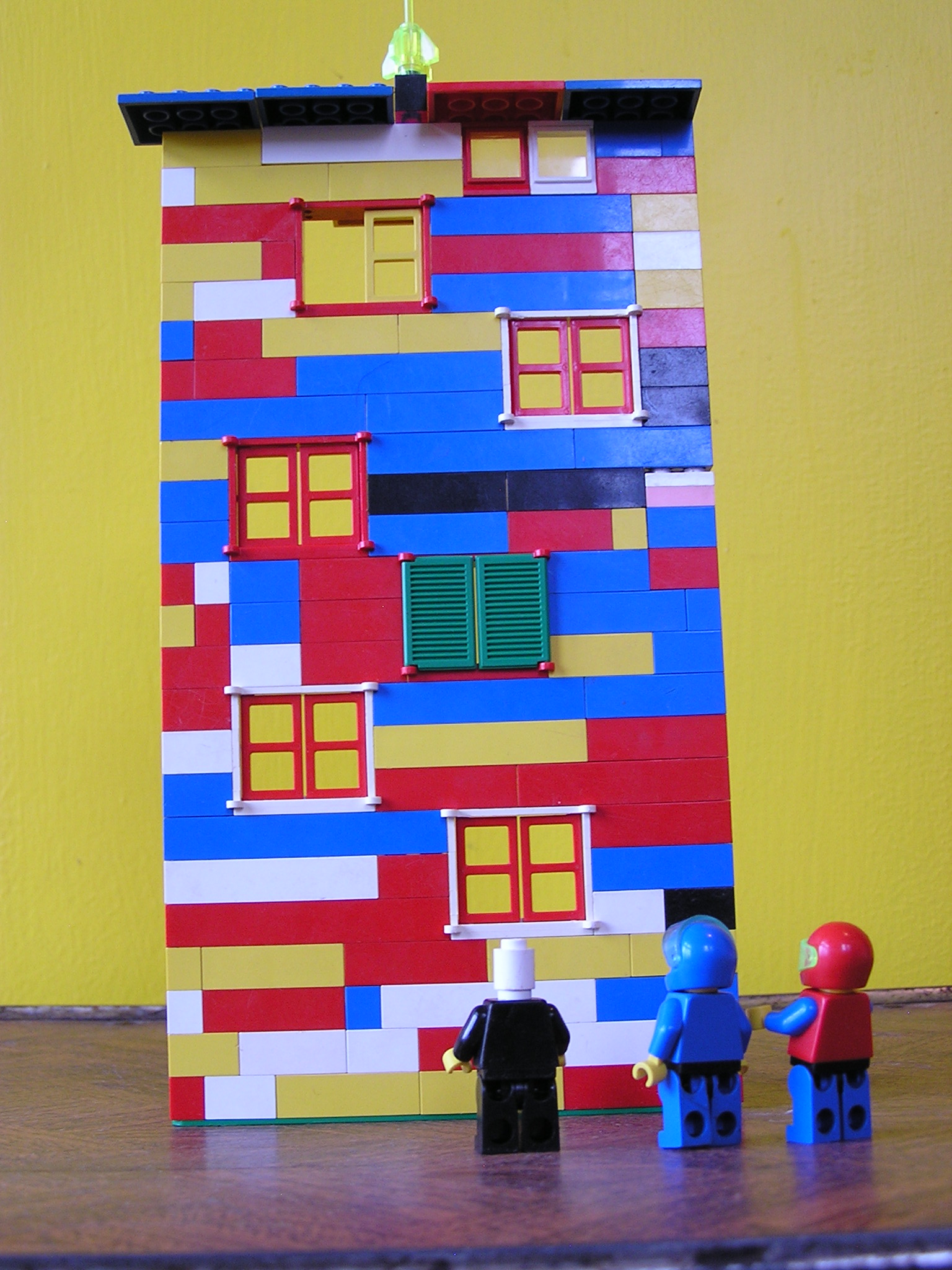 Example: A study by Stanley Milgram set on a busy street in New York City. Milgram’s assistants (varying from 1 to groups of 15) stood on the street and then looked up, on cue, for one minute at an uninteresting 6th floor window. Milgram then counted how many passersby looked up at the window. 42% of passersby looked up when one individual was looking up. When the number of assistants increased to 5 and then 15 up to 86% of passersby looked up. I would have been one who looked up. It makes sense to copy. Something interesting or important might be happening.
Copying is also useful in social settings when we don’t know the rules. Which fork do I use for this course? I decide by copying someone I consider wiser.
Unfortunately copying can also lead us astray. When someone in our group cheats we are more apt to cheat. When we observe over-eating (this is true even if the over-eater is a stranger) we tend to over-eat. When our friends drink too much (especially if the drinker is a woman) we drink more. If our companions are fools we become a fool.
Copying is a two-way road. We copy our friends and our friends copy us. When we make good choices our behaviors spread to our friends. This behavior spread flows to the 3rd degree of friends.
Our behavior is not solely determined by our friends actions. We have choice and we can use this choice to change our world and the world of our friends, and their friends and their friends.
The power of our influence is one of the big reasons we choose to continue Sculpting ourselves. When we get our act together, even little better, this will spread to others we care about.
Sculpting Project 23: Connected for Change
Select a change you want to make. (Ex. Improve my mindless eating habits.)
Decide on an action that will promote that change. (Take 2 slow bites at each meal and setting a note on you table as a reminder.)
Ask a friend or two to join you in this commitment for 2 weeks. (If your friend is willing , have them ask one of their friends to join your 2 week group.)
Check-up on each other by phone, in person, or email.TIP: Your friend may want to adjust the action to be a better fit for their change goals.
Creating Change for others:
If you want to change behaviors/ actions do so in person, by example. Eat differently and your friend will observe and may join in the practice.
If you want to change beliefs you can be at any distance, but you must be a close friend. Share Your faith, and your friend may join you.
Any troubles forming a group? Mine was slow to form. Keep at it.
Our choice to change is a way to love our neighbor.
 soulsculpting