Sculpting Project 16: Time stopping ( On thoughts) Week 2
In my garden I have many types of plants. Some of the plants arrived in my garden as a seed I planted or a transplant I placed in the soil. Some plants are perennial, coming up in the same place year after year. Some plants are volunteers, a useful plant that comes up from a seed I did not intentionally plant. Sometimes a volunteer is located in a place that fits my garden goals other times it is in the way.
But the dominate plants I have in my garden are weeds. Some of them I like, like wild sunflowers, or lambs quarter. These weeds I often leave to grow. Other weeds are simply in the way of the plants I want to grow.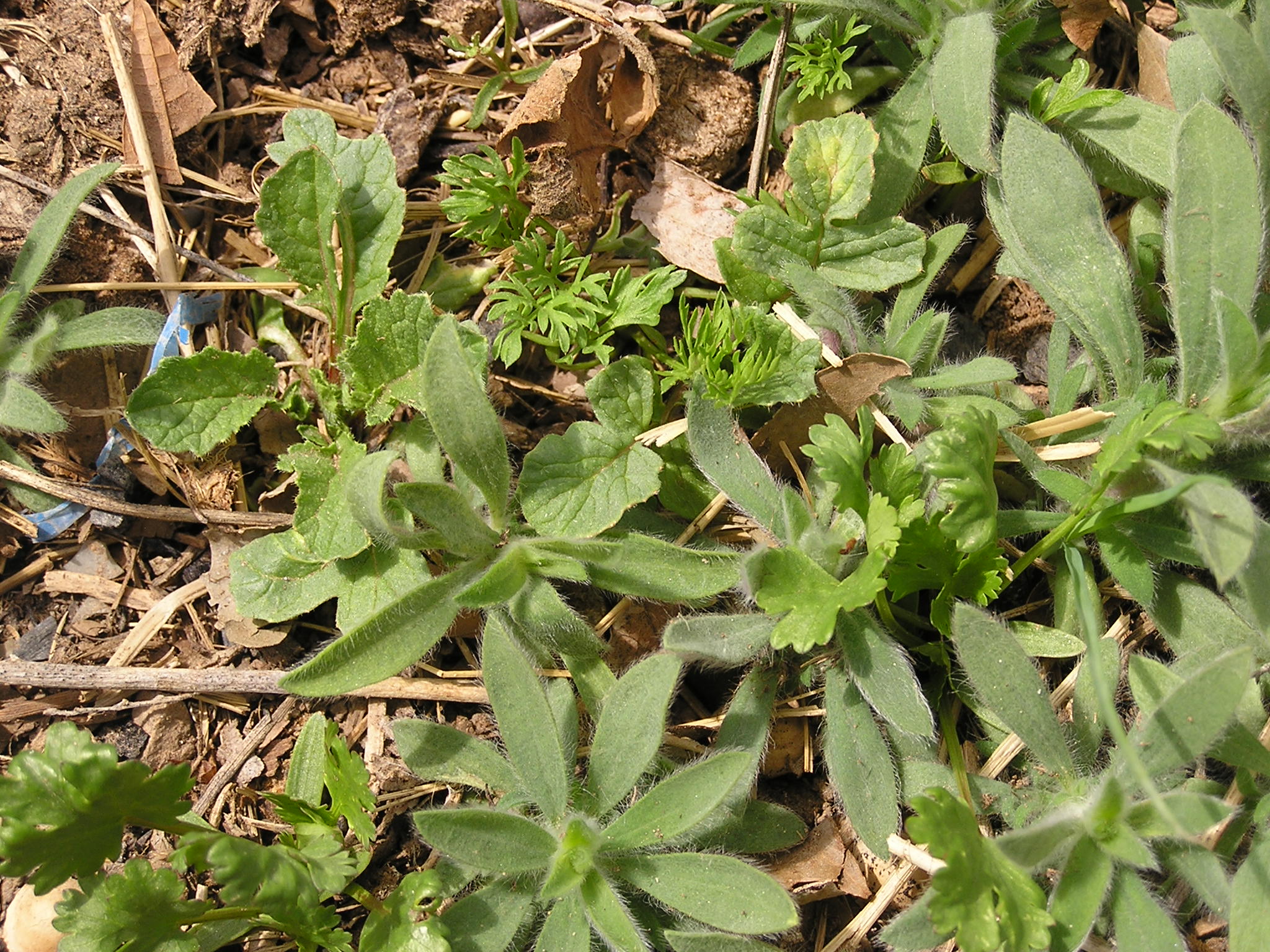 Some weeds are fairly easy to remove if you pull them up by the roots before they go to seed. Others, like bind weed can restart by seed or tiny root hairs. My grandmother called bind weed the ‘bane of her life’. Bind weed started in my garden with some strawberry transplants. Had I been vigilant at the first sighting I may have stopped the growth but I was lax and now continually battle the weed. As I struggle with bind weed I often remember a hopeful statement in a farming journal that even ‘bind weed can be stressed by frequent grazing’ or frequent weeding in my case. My summers are spent seeking to stress bind weed.
I have many types of thoughts. Some thoughts I have intentionally planted, some are perennials or useful volunteers and others are weeds. Some of the weeds are pretty easy to clear out if I pull the roots before they go to seed. Other thoughts are bind weed.
Some of these weed thoughts are what Jeffery Schwartz calls “cognitive miss-firings”. We all have thoughts that are weeds for us. Cognitive miss-firings are the normal human experience. These weeds come in various ways. The trick is, what do we do with these weeds.
- Recognize that cognitive miss-firings are normal
- Get to know your common weeds (miss-firings)
- Pull the weeds before they go to seed, when possible
- Do not water and fertilize cognitive miss-firings
- If possible, enjoy weeding
Helpful Weeding Tools:
- “Name it to tame it”, using the naming part of our brain helps to quiet the firings in fear part of our brain.
- Label our thoughts (worry, criticism, planning, . . .) This helps us put the ‘all and powerful thought’ in it’s place as ‘just a thought’. (The all and powerful Oz is just the man behind the curtain.)
- Remind ourselves of the amazing fact that every thought we think is not the ‘gospel truth’.
- Replace the unwanted thought with a wanted thought
Use repetitive prayer like the Jesus prayer,think on gratitude, beauty, excellence (Phil 4:8), focus on your breath: smooth and even.
- Just ‘let the thought go’ recognizing it as a cognitive miss-firing or weed.
- Turn the thought into a prayer as we let it go to Jesus.
- Talk Back to the thought correcting it with Scripture, or other sources of wisdom.
Sculpting project 16: Time Stopping (Learning to meet God in the present)
- For 2-5 minutes sit down and do nothing.
- Say to yourself “ Here I am, in the presence of God, in my own presence and in the presence of all that is around me, just still, moving nowhere.”
Tips: A weed is a plant that is growing where you don’t want it to grow. Some thoughts are perfectly fine in some settings but not appropriate in others.
When time stopping we are seeking to weed out all thoughts that are not part of our present experience. When I stop and relax I often get thoughts that I want to remember so I keep a paper and pencil nearby. If your thought are racing: find a more interesting place to Time Stop, look out a window or at an ant hill, do a walking Time Stop, or try watching your breath.
 soulsculpting